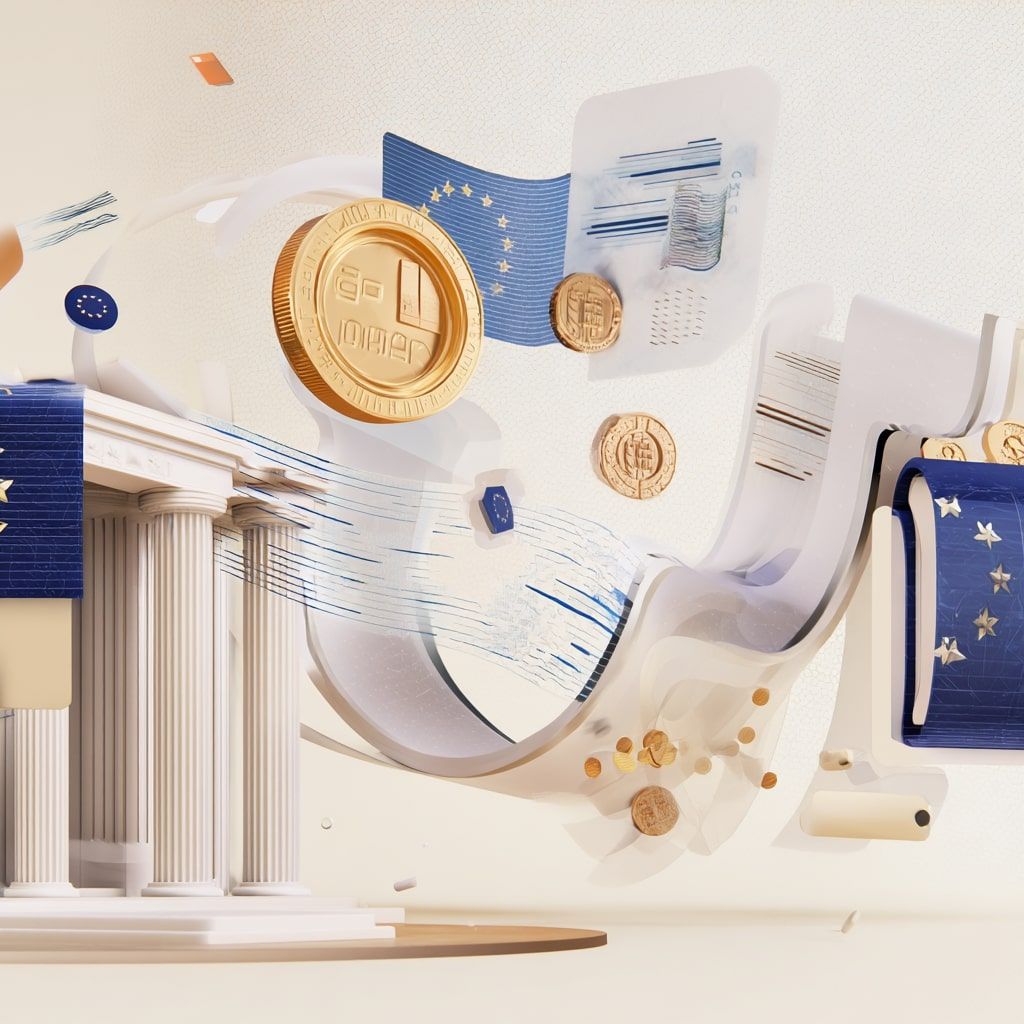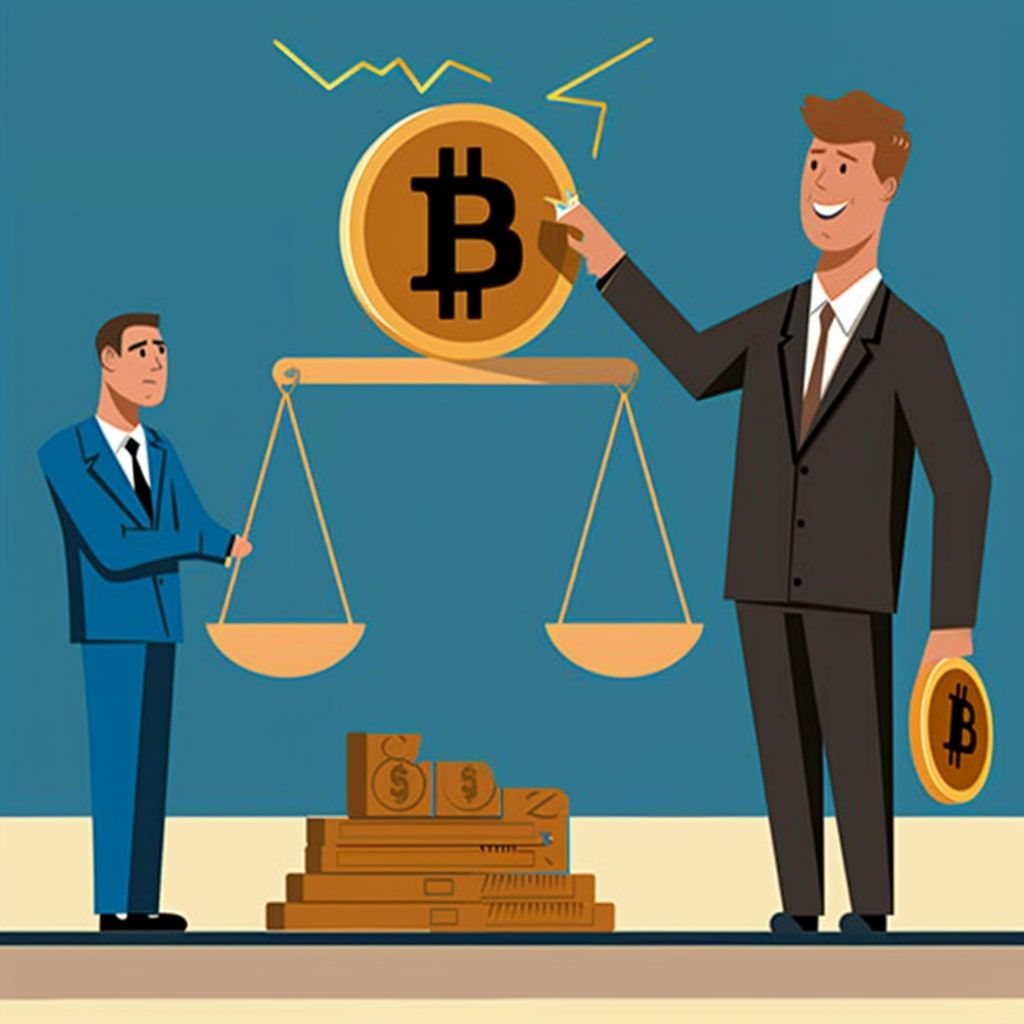
Slovenia’s Ministry of Finance unveils 25% capital gains tax on crypto and derivatives. Public consultation is open until May 5, 2025. Here’s what’s changing.
Synthetix’s sUSD slipped to $0.81 amid a major protocol upgrade. Here’s what caused the depeg, why it’s (probably) temporary, and how the protocol plans to bounce back.
Axiom hits $100M in daily trading volume on Solana, redefining meme coin trading with gamified rewards, fast UX, and airdrop-farming energy.
OKX launches U.S. headquarters in San Jose, California after $500M DOJ settlement. Platform promises secure, compliant crypto trading for American users.
South Korea bans KuCoin, MEXC, and others for operating without FIU registration. Crypto users urged to switch to compliant exchanges. Here's what it means.
OKX partners with Komainu and Atitlan to offer self-custody trading for institutions—secure cold storage, no counterparty risk, full regulatory compliance.
Bitpanda becomes the first major crypto exchange to obtain a MiCAR license in Austria, expanding its EU reach and reinforcing its status as a top regulation-ready platform under Europe’s new crypto framework.
On April 29, 2025, OKX brings together 700+ elite crypto traders for its biggest side event at TOKEN2049 Dubai. Expect masterclasses, live strategy battles, early product drops, and zero fluff — just pure trading alpha. Spots are invite-only and closing fast.
DeFi on Ethereum represents a significant shift in the financial sector, offering users access to financial services without intermediaries. With companies like Coinbase integrating KYC checks into DeFi, the sector is becoming safer and more aligned with global financial standards, driving its widespread adoption.
South Korean banks are advocating for more flexibility in their partnerships with cryptocurrency exchanges, particularly allowing multiple bank collaborations per exchange, which could improve consumer choice and reduce risks. If the government agrees to these changes, it could foster greater competition and facilitate the growth of institutional investments in the crypto sector.
OKX and Standard Chartered have launched the world’s first “reflected collateral” system, allowing bitcoin and tokenized assets to be used in institutional trades without moving funds to exchanges. This is a major step in transforming bitcoin from a speculative instrument into a regulated element of the global financial system.
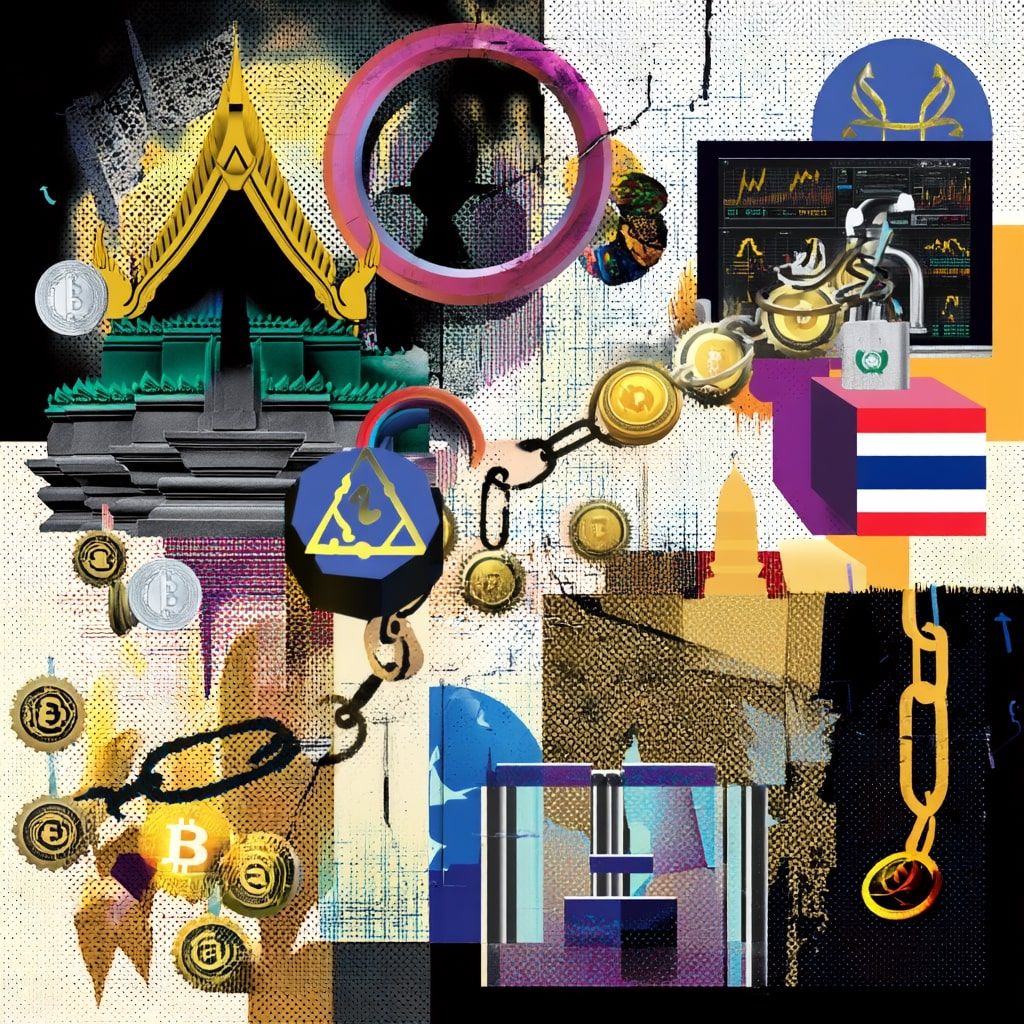
Thailand has strengthened its regulations for crypto businesses, particularly foreign platforms, with new amendments aimed at combating cybercrime, preventing money laundering, and enhancing financial security. These measures will increase oversight and accountability in the crypto sector but may limit access to certain foreign platforms for Thai users.
The partnership between Kraken and Mastercard marks a key milestone in integrating crypto-assets into everyday payments, allowing users to spend their cryptocurrencies at over 150 million merchants worldwide. This collaboration accelerates cryptocurrency adoption while bridging traditional finance and the digital economy.
Ethereum rollup Taiko just hit Revolut, giving 45 million users in 50+ countries direct access to Layer 2 magic. Here's why it matters for the future of crypto, Web3, and your wallet.
WhiteBIT Nova is changing the game with over 1 million transactions! Learn how crypto cards are making payments easy and earning you rewards.
Circle has announced that USDC will now be the default stablecoin on Binance Pay, signaling a shift in the crypto market. This move reflects growing regulatory trends and calls for clearer stablecoin regulations in the U.S. Here's what it means for the future of digital assets.
Binance Charity and CZ launch a $1.5M relief effort for earthquake victims in Myanmar and Thailand, using blockchain for fast, transparent aid. Binance Charity and CZ launch a $1.5M relief effort for earthquake victims in Myanmar and Thailand, using blockchain for fast, transparent aid.
Sony Electronics Singapore partners with Crypto.com to accept USDC payments, offering a secure and innovative way to buy products online with cryptocurrency.
OKX has appointed Linda Lacewell as its new Chief Legal Officer to strengthen its regulatory position and fuel expansion into key markets like Europe and the UAE. Learn how Lacewell's experience in financial regulation will help OKX navigate global challenges and boost its growth in the crypto world.
Brian Armstrong, CEO of Coinbase, is calling for legislative changes that would allow users to earn interest on their stablecoin holdings. The article explores the potential economic and financial benefits, as well as the risks related to centralization and the need for new regulations for stablecoins in the U.S.
Fastex is showcasing Bahamut Blockchain and its revolutionary PoSA consensus mechanism at Paris Blockchain Week 2025. Join us at Stand N78 to discover how Bahamut is changing the game for Web3, plus catch expert speakers and don’t miss the epic closing party at Moulin Rouge!
OKX's 29th Proof of Reserves shows $24.6B in primary assets, growing 11% since March 2024. With top security measures, monthly reports, and strategic partnerships, OKX continues to lead in transparency.
Binance Wallet introduces a new feature that lets you trade crypto on decentralized exchanges (DEXs) using your Binance account balances. No need for transfers – just seamless, fast trading across networks like Ethereum, Solana, and BNB Smart Chain. Plus, earn 100 BR tokens with your first $50 trade!
Thailand’s SEC has filed a criminal lawsuit against OKX for operating without a license, targeting both the exchange and its promoters. Here’s what it means for crypto in Thailand.
Bitso has introduced MXNB, a stablecoin pegged to the Mexican peso, built on Arbitrum for faster and cheaper cross-border payments. This new digital asset aims to transform financial services in Latin America, offering efficient solutions for remittances, fintech integration, and digital payments.
OKX is the title sponsor of TOKEN2049 Dubai, reinforcing its leadership in Web3 and crypto adoption. Discover how this partnership is shaping the industry's future.
South Korea’s crackdown on unregistered cryptocurrency exchanges and LG’s shutdown of its NFT marketplace highlight the growing challenges faced by emerging digital sectors. Both moves reflect the need for stricter regulatory oversight and strategic shifts in response to market volatility and uncertain long-term prospects.
Crypto.com’s impressive $1.5 billion revenue in 2024, driven by strong trading activity and strategic investments, has solidified its position as the third-largest exchange globally. With plans for further expansion and new product offerings, the company is well-positioned for continued growth in the cryptocurrency market.
OKX's update of deposit addresses aims to enhance security and deposit processing efficiency, with users advised to switch to the new addresses as soon as possible. Meanwhile, the exchange has suspended its DEX for European users in response to regulatory concerns and incidents involving money laundering.
OKX has suspended its DEX aggregator after an attempt by the Lazarus Group to exploit the platform, in order to strengthen security and prevent further incidents. The company is actively collaborating with regulators and implementing new measures to protect users and prevent financial crimes.
OKX's recent record-breaking token burn demonstrates its commitment to increasing the scarcity and value of OKB, potentially driving demand in the long term. As the platform continues to innovate, these strategic moves could strengthen OKX's position in the cryptocurrency market and contribute to its ongoing growth.

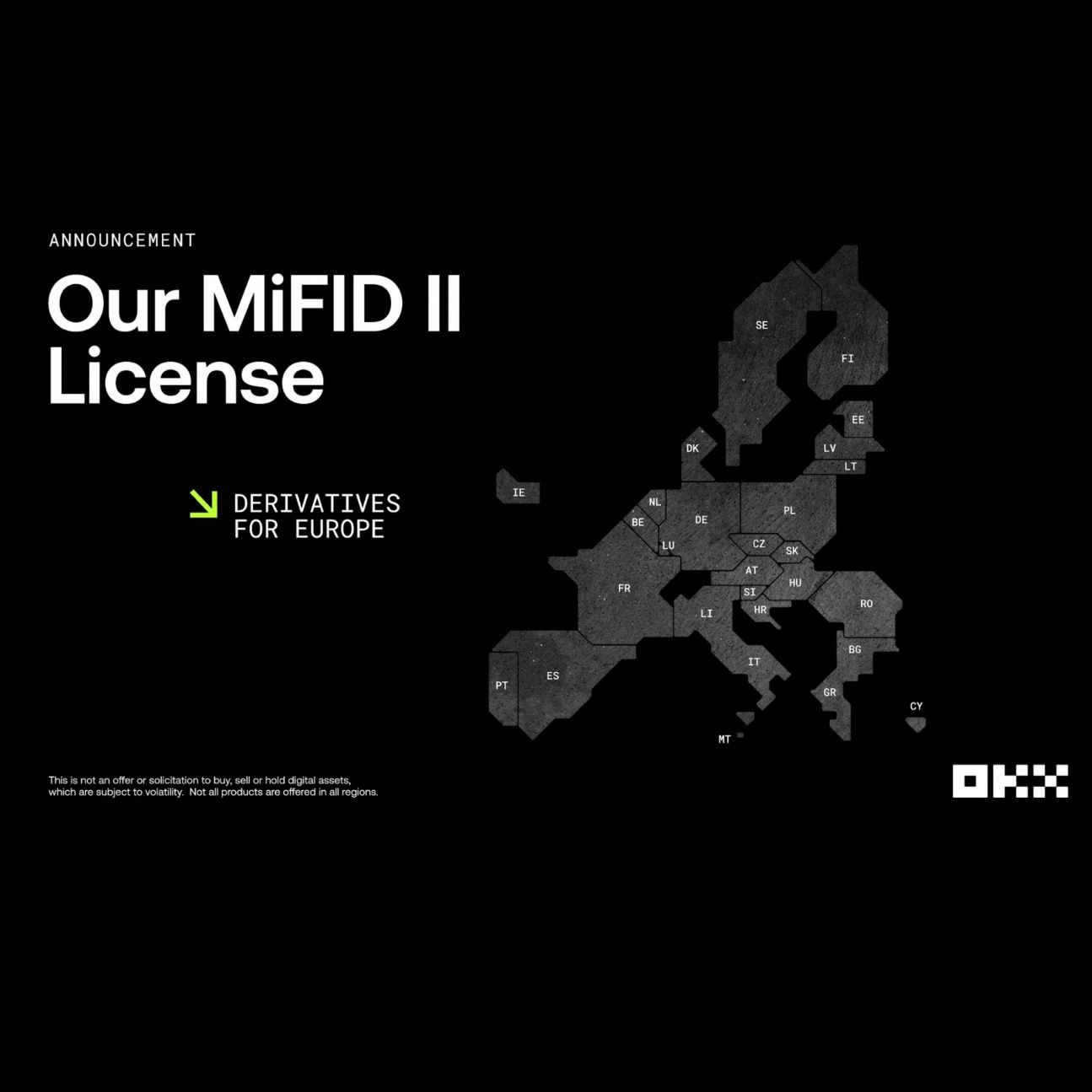
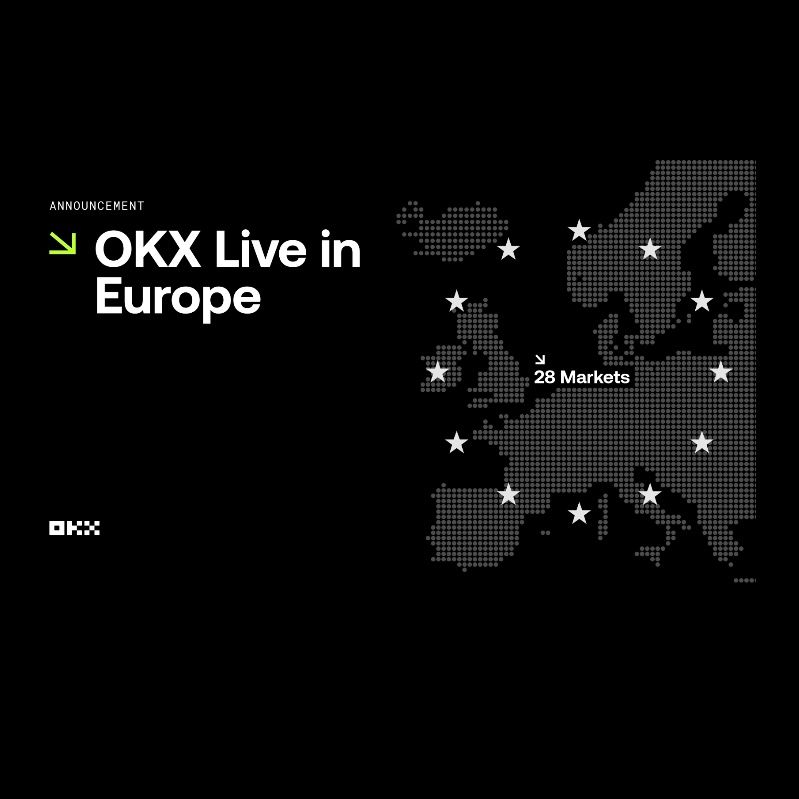
OKX has acquired a MiFID II license in Europe, allowing it to offer derivatives trading for institutional clients upon regulatory approval. This follows its MiCA license, reinforcing its commitment to compliance and expanding its crypto offerings across 28 EEA markets.
Bitkub has received approval from Thailand’s SEC to operate as an ICO Portal, marking a significant milestone in the country’s fintech landscape. This move enhances secure and regulated digital fundraising opportunities for entrepreneurs while expanding investment options for digital asset investors.
OKX has firmly denied allegations of regulatory scrutiny, stating that its Web3 services operate on a self-custodial model, similar to other industry platforms. The exchange has actively cooperated with Bybit and law enforcement to track stolen funds, while also criticizing Bybit’s security vulnerabilities as the root cause of the incident.
Coinbase’s introduction of 24/7 Bitcoin and Ethereum futures contracts comes as a timely solution to market volatility, offering investors continuous access to risk management tools. This innovation could stabilize the crypto market by providing greater flexibility and security, addressing the challenges posed by recent market upheaval.
ECB is aiming to finalize preparations for the digital euro by October 2025, but its actual launch depends on legislative approval and cooperation from key stakeholders. Despite significant challenges, including privacy concerns and the impact on commercial banks, the digital euro is seen as crucial for maintaining the euro’s global competitiveness in the face of growing digital currency competition.
USDC is rapidly gaining market share, rising to 8.26% on Binance, driven by new EU regulations and approval in Japan. The pressure from MiCA and major platforms delisting USDT in Europe create conditions for USDC’s continued growth and a potential shift in stablecoin leadership.
Brian Armstrong’s 2020 predictions about the rise of cryptocurrencies and the integration of Bitcoin into the global financial system are now materializing, with his forecast of Bitcoin reaching $200,000 looking increasingly plausible. Coinbase’s plan to hire 1,000 employees in 2025 and the U.S. government's evolving support for the cryptocurrency industry reflect the growing influence of digital assets in the global economy.
The closure of Garantex emphasizes the significant role cryptocurrency plays in facilitating darknet activities, including ransomware attacks and illegal drug sales. This operation highlights the challenges law enforcement faces in curbing illicit financial transactions that thrive in the unregulated dark web.
Kraken’s planned IPO in 2026 signals a major shift in the cryptocurrency market, backed by strong financial growth and a favorable regulatory environment under the Trump administration. The company’s move toward becoming publicly traded could set a precedent for other crypto firms and increase investor confidence in the sector.
OKX’s expansion into Europe marks a significant milestone as it becomes the first crypto exchange to secure the MiCA license, ensuring a safe and regulated environment for users. This move strengthens its commitment to bringing accessible and secure crypto trading to European residents while continuing to innovate and expand its services.
Coinbase is focused on expanding globally, introducing localized products and solutions like its self-custodial wallet to adapt to various international markets and regulatory environments. By prioritizing innovation and improving its product offerings, the company aims to position itself as a leader in the evolving global financial ecosystem, making cryptocurrency a mainstream financial tool for billions of people.
Coinbase’s plan to introduce tokenized securities in the U.S. market aims to bridge the gap between traditional finance and blockchain technology, offering more efficient and accessible financial transactions. However, regulatory hurdles remain, and its success depends on continued collaboration with regulators to ensure compliance and clarity in the evolving financial landscape.
Hacken’s partnership with MEXC marks a significant step in strengthening the platform's security infrastructure, leveraging Hacken’s expertise in blockchain security. With its history of combating cyber threats, including during the Russia-Ukraine war, Hacken’s involvement ensures that MEXC’s systems are robust against emerging risks, setting a high bar for industry security standards.
Binance’s decision to delist non-MiCA compliant stablecoins marks a significant step in aligning with EU regulations and may signal a shift toward MiCA-compliant stablecoins like USDC in the EEA. This move highlights the growing role of regulation in the crypto market, driving greater stability and maturity in the industry.
Uniswap's new partnerships with Robinhood, MoonPay, and Transak simplify the process of converting crypto into cash, making it easier for users to deposit funds directly into their bank accounts. This move reflects Uniswap's commitment to enhancing accessibility and flexibility in the DeFi space, with more features and integrations planned for the future.
The launch of the USDG stablecoin on the Solana blockchain marks a significant step toward revolutionizing global payments, offering fast and low-cost transactions. With new partnerships and plans for multi-chain expansion, USDG is set to increase adoption of stablecoins and simplify financial processes for businesses worldwide.
Bank of America plans to launch a stablecoin tied to the U.S. dollar, but only if new legal regulations allow it. If approved, this move could revolutionize digital payments, offering faster, cheaper, and more accessible financial services for users.
USDC remains one of the most widely used stablecoins, providing reliability and transparency through its full reserve backing. Its integration across multiple blockchains strengthens its role in global payments and decentralized finance.
The SEC's decision to close its investigation into Uniswap Labs without any penalties marks a significant win for the DeFi community, highlighting the differences between decentralized platforms and traditional finance. This development signals a shift in regulatory approach, with the SEC now focused on creating fairer, more tailored rules for the crypto industry.
OKX and its subsidiary Aux Cayes FinTech have settled a legal dispute with the U.S. Department of Justice, agreeing to pay over $500 million to resolve allegations of regulatory violations. This case highlights the increasing need for cryptocurrency platforms to strengthen compliance and security measures to avoid legal issues in the U.S. and other markets.
Citadel Securities, after years of staying away from cryptocurrency operations due to unclear regulations, is preparing to become a liquidity provider on major exchanges. This strategy reflects changes in U.S. legislation that open new opportunities for institutional investors in the crypto sector.
The launch of the EURCV stablecoin on the Stellar network strengthens France's position as a leader in digital finance, providing secure and scalable solutions for cross-border transactions and financial applications. The partnership with Stellar enables SG-FORGE to effectively integrate MiCA regulation, opening new opportunities for financial institutions and businesses across Europe.
The European Central Bank’s initiative to settle distributed-ledger technology transactions in central bank money will enhance the efficiency of Europe’s financial markets, fostering innovation while maintaining safety and stability. By integrating DLT with existing systems and exploring long-term solutions, the ECB aims to establish a more unified and resilient digital asset ecosystem across Europe.
The return of USD operations on Binance.US after a two-year hiatus highlights the changing regulatory landscape for cryptocurrencies in the U.S., opening up new opportunities for users. However, despite these positive steps, the exchange still faces legal challenges in solidifying its position in the market.
OKX has become one of the first crypto exchanges to receive a MiCA license, allowing it to offer services across 28 European countries, ensuring secure and convenient access to crypto trading. This move strengthens OKX’s global position and accelerates the development of the regulated crypto sector in Europe.
Regulatory changes and the growth of the DeFi sector have reignited discussions about the fee switch, but leading protocols like Uniswap continue to delay its implementation due to regulatory risks and governance centralization. If regulatory easing persists, the revenue redistribution mechanism could become a standard, strengthening DeFi token economics and attracting long-term investors.
Aston Martin Aramco's partnership with Coinbase, paid entirely in USDC, marks a significant milestone in the intersection of cryptocurrency and sports sponsorship. This groundbreaking deal highlights the growing role of stablecoins in global business transactions and sets the stage for more innovative financial collaborations in the future.
By 2030, cryptocurrencies are expected to constitute 10% of global GDP, with Coinbase playing a central role in their integration into traditional finance. As the U.S. leads in crypto adoption, the rest of the world is likely to follow suit, signaling a new era of economic innovation driven by digital assets.
New York will establish a task force to study the impact of cryptocurrencies on the state's economy and environment, with a report due by 2027. This will help develop more balanced regulations for the crypto industry, considering its growth and environmental impact.
Bitpanda’s FCA approval marks a major step in its expansion, offering UK investors a secure and compliant platform with over 500 cryptocurrencies, staking options, and savings plans. This move strengthens Bitpanda’s position as a leader in the crypto space, setting a new standard for regulated digital asset investing in the UK.
Unichain is a groundbreaking Ethereum Layer 2 solution focused on cross-chain liquidity, offering fast transactions, reduced costs, and enhanced decentralization. By integrating native interoperability, it positions itself as a central hub for DeFi, enabling seamless access to liquidity across multiple blockchain ecosystems.
Binance and the SEC have paused their legal dispute for 60 days, anticipating that the new cryptocurrency task force will help resolve their case. This move could impact other legal battles between crypto companies and the regulator, creating potential for more flexible regulation in the future.
Coinbase is positioning itself as a competitor to major financial institutions by offering an innovative approach to finance, with the potential to reshape how people manage and invest money. Armstrong believes the world is moving towards a new financial system driven by cryptocurrencies, where they will play a central role in providing more efficient transactions and economic freedom.
OKX and Hacken’s Proof of Reserves (PoR) sets a new standard for transparency in the crypto industry, confirming that user assets are fully backed. This strengthens trust in the platform and highlights that the future of crypto relies on verifiable security, not blind faith.

Gemini is considering a major IPO, which could further legitimize cryptocurrencies in the financial sector, despite past legal challenges. The shift toward more accommodating regulatory policies could pave the way for future crypto IPOs, positioning the exchange for long-term success.
President Trump's executive order aims to foster the growth of digital assets in the U.S., providing more opportunities for innovation in the private sector while protecting citizens' financial independence. It also imposes a ban on the creation of central bank digital currencies, establishing a foundation for a new approach to regulating cryptocurrencies and blockchain technologies in the country.
Coinbase is pushing for U.S. regulators to provide clear guidance allowing banks to engage with the cryptocurrency industry, arguing that current regulations already permit such services. By clarifying the legal landscape, Coinbase believes this will foster innovation, improve competition, and better serve both consumers and the growing crypto ecosystem.
Fastex’s entry into the U.S. market marks a significant expansion of its secure and user-friendly crypto ecosystem. U.S. users can expect innovative services, lower transaction fees, and exclusive benefits while benefiting from top-tier security and regulatory compliance.
Crypto.com plans to launch its stablecoin and an ETF for Cronos (CRO) in 2025, aiming to enhance its service offerings and improve user experience in the crypto market. These initiatives reflect the growing demand for stable digital assets and Crypto.com’s expansion into the European market with a new MiCA license.
Uniswap v4 introduces significant technical improvements, including hooks for customization, lower pool creation costs, and multi-chain support, which lay the foundation for long-term growth in the DeFi space. However, despite the update's potential, the market's reaction to UNI has been underwhelming, with only a brief price spike followed by a return to bearish conditions.
OKX has become the first global exchange to secure a MiCA license, allowing it to offer fully regulated crypto services to over 400 million people across Europe. This achievement sets a new global standard for crypto regulation and positions OKX as a leading platform for crypto trading in the region.