Stablecoin Guide: USDT vs. USDC vs. DAI Compared
Compare the world's leading stablecoins. Understand the trade-offs between USDT's liquidity, USDC's regulatory safety, and DAI's censorship resistance.
The listing of RLUSD on Bitkub Exchange marks a significant step for the digital asset ecosystem in Thailand, bringing institutional-grade stablecoin infrastructure to the local market. The partnership with Ripple could also accelerate cross-border payments and real-world asset tokenization across Thailand and the wider Southeast Asian region.
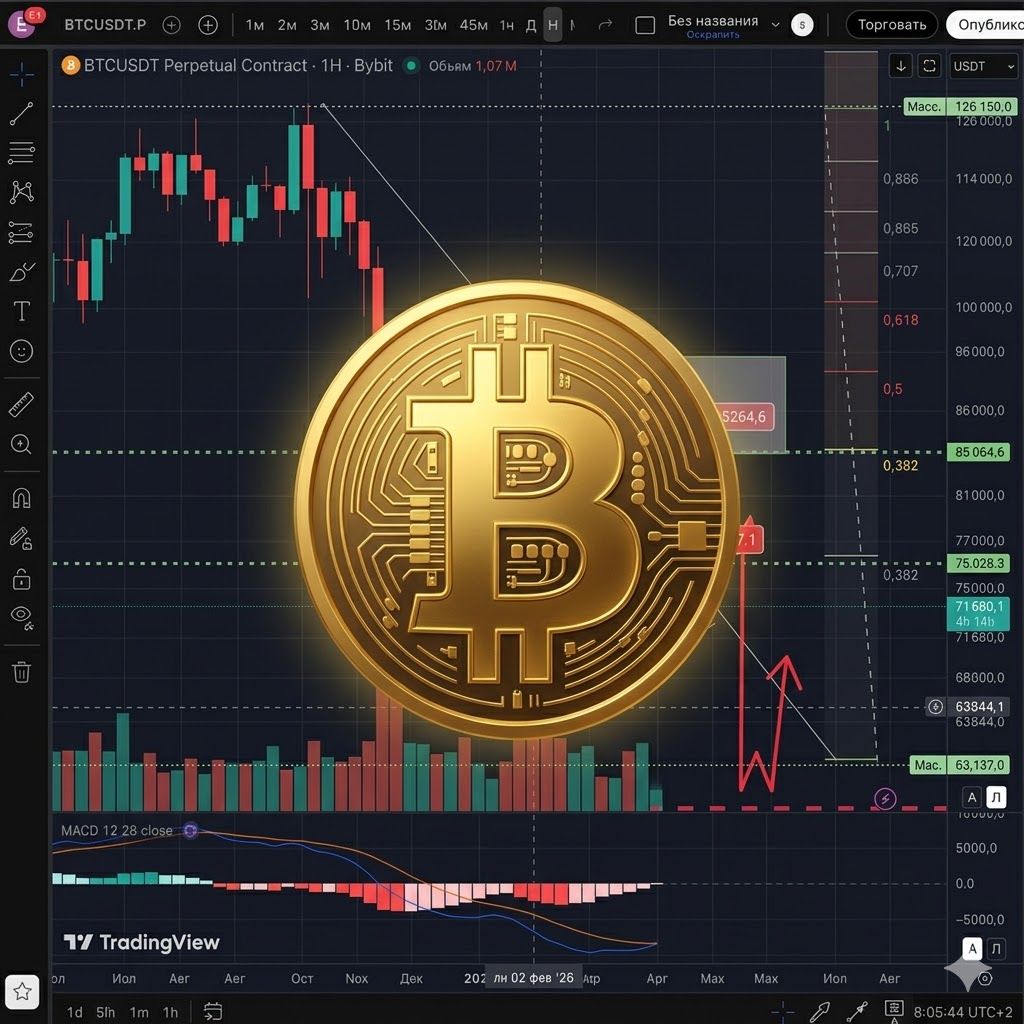
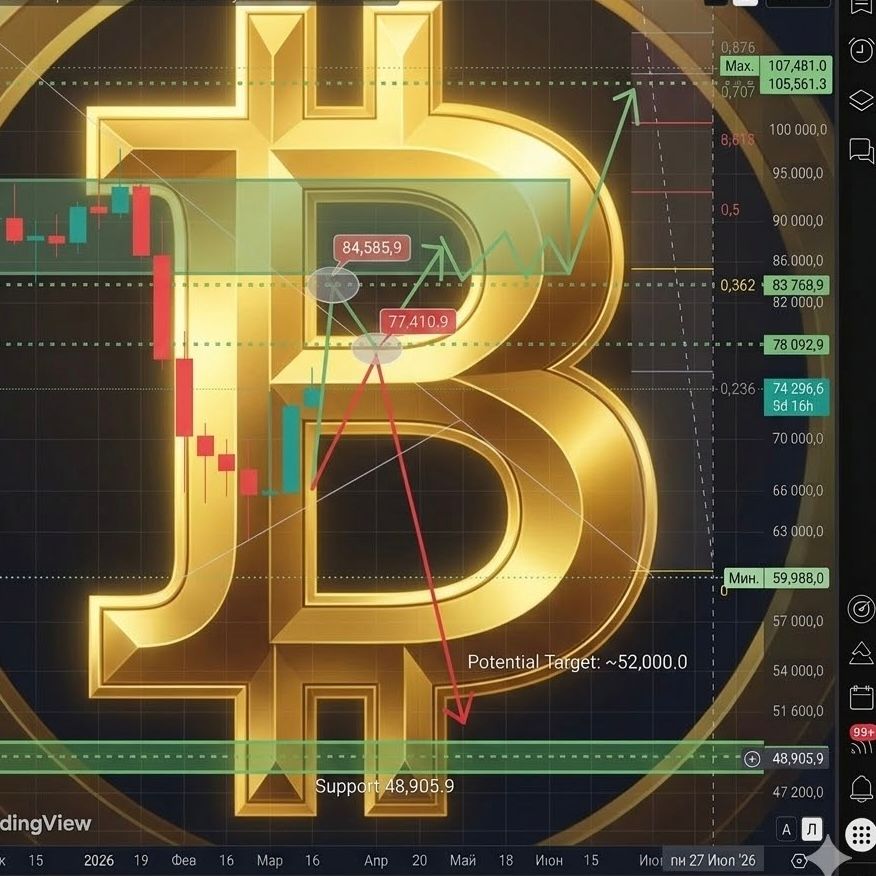
Bitcoin's price is currently determined not only by internal crypto market factors but also by the global economy, geopolitics, and Federal Reserve policy. As long as uncertainty persists around the global economy and the conflict in the Middle East, the cryptocurrency market will likely remain volatile and sensitive to external events.
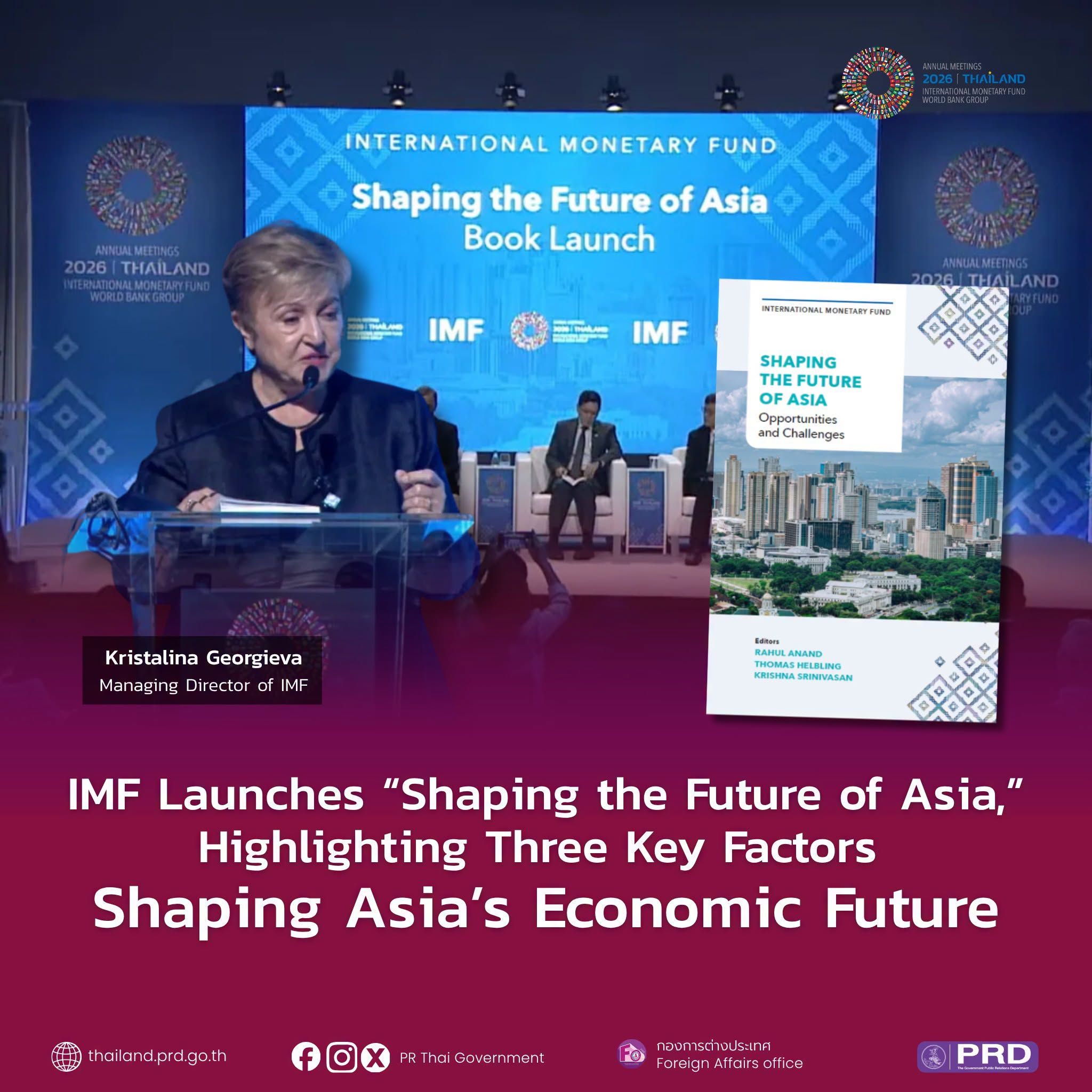
Bitkub CEO Topp Jirayut warned that Thailand’s economy faces deeply rooted structural challenges, including record household debt, an aging population, and weakening investment confidence. He stressed that Thailand can achieve sustainable growth only through comprehensive reforms, digital infrastructure development, and attracting high-skilled global talent.
Bitkub’s decision to disable website withdrawals marks a clear shift toward stronger security standards and tighter regulatory alignment in Thailand’s crypto industry. The move suggests that mobile-first authentication and controlled custody models will likely become the new norm for digital asset platforms in Thailand and Southeast Asia.
In Asia, stablecoins are evolving from a niche crypto instrument into a core layer of financial infrastructure that can accelerate payments, trade, and cross-border settlements. Their long-term viability, however, depends on strong regulation that preserves monetary sovereignty while still enabling financial innovation.
Thailand is deliberately shifting its crypto market toward an institution-first model, using crypto ETFs, regulated futures, and tokenization to channel capital through familiar, tightly controlled financial structures. The strategy trades short-term openness for long-term credibility, signaling that Southeast Asia’s next crypto growth phase will be driven less by retail hype and more by regulated institutional liquidity.
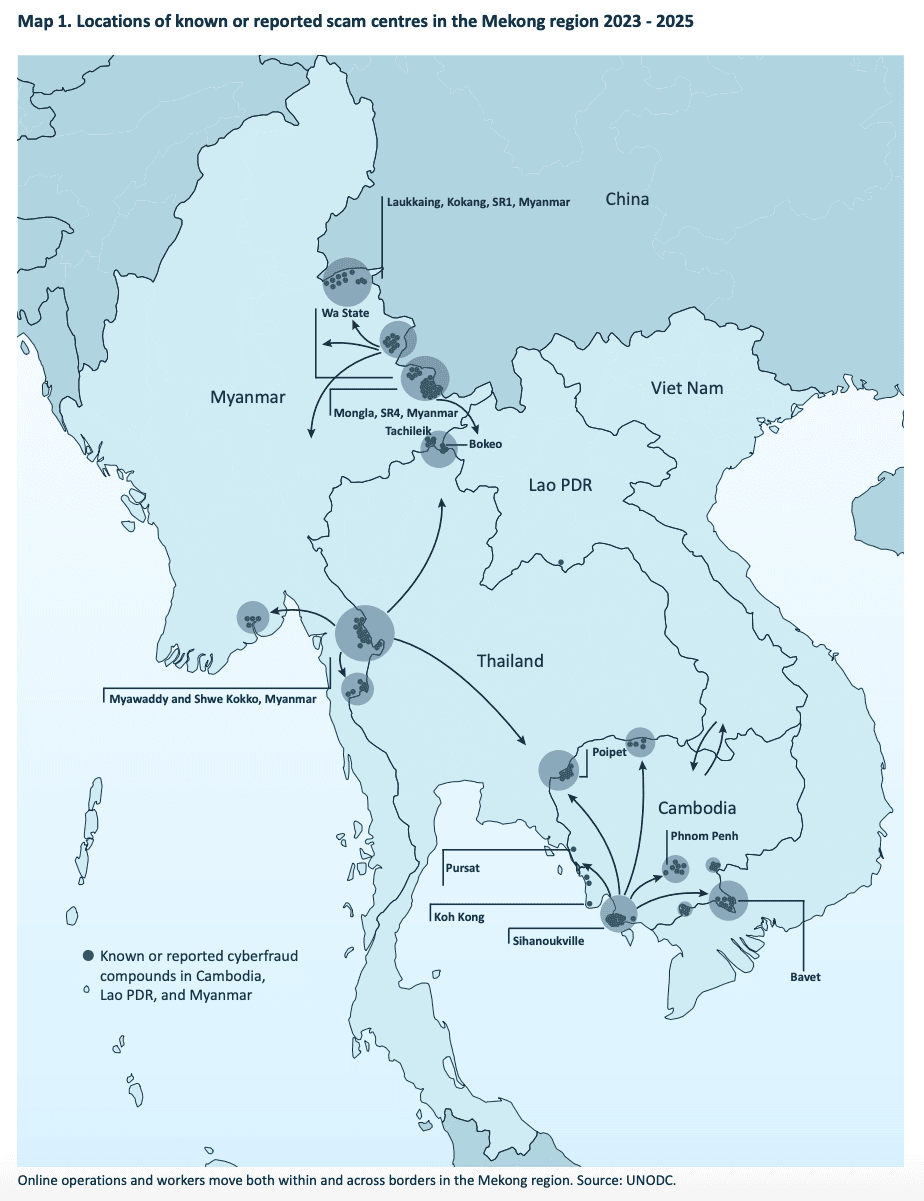
Thailand’s repatriation of Chinese scam suspects marks a turning point where crypto-enabled crime in Southeast Asia is moving from regulatory blind spots into coordinated, state-level enforcement. The message for the market is clear: crypto itself remains, but anonymity without compliance is rapidly disappearing as on-chain transparency meets geopolitical pressure.
Thailand has effectively placed USDT on the same level as cash and gold by integrating stablecoins into its unified framework for monitoring “grey” financial flows and cross-border capital movement. This sends a clear signal to the market: in 2026, crypto is no longer treated as an exception—any value-transfer instrument will be regulated as real money.
The mass resignation of the ECC team triggered short-term volatility in ZEC but did not affect network operations, user funds, or privacy, underscoring Zcash’s decentralized resilience. The key takeaway is that the protocol proved stronger than its organizations, while the next challenge will be restoring development coordination and market confidence.
In Thailand, an experiment in exchanging biometrics for cryptocurrency has faced a harsh government response due to the risk of data breaches affecting over 1.2 million citizens and the legal uncertainty surrounding the model. The market implications are clear: projects at the intersection of crypto-identification and personal data in Thailand and Southeast Asia will no longer be able to scale without transparent data storage, clear user consent, and direct regulatory approval.
The suspension of KuCoin Thailand underscores that Thailand’s regulator enforces crypto rules with bank-level strictness, leaving no room for exchanges operating with insufficient capital. The key takeaway for the market is clear: in Thailand, long-term survival depends not on brand size, but on consistently maintaining strong capital discipline.
TON demonstrates that true Web3 adoption comes not from ideology or complex products, but from seamless usability embedded into everyday digital behavior. The key challenge for TON in 2026 will be preserving this simplicity at scale while strengthening user protection and trust across the ecosystem.
In 2026, the crypto market is entering an institutional growth phase with the potential to reach new highs, but in Thailand this momentum is constrained by a weak economy, high household debt, and political uncertainty. As a result, crypto adoption in Thailand is likely to be driven more by institutional and professional investors rather than mass retail participation.
Have questions or want to collaborate? Reach us at: [email protected]