🕵️♂️ Zcash ETF: Can Wall Street Trade Privacy Without Killing It?
Grayscale’s planned ZCSH ETF turns Zcash into a regulated investment theme — but leaves its core privacy tech locked outside the Wall Street sandbox.
⚡ Quick Facts
- Grayscale plans to list a Zcash ETF on NYSE Arca under the ticker ZCSH.
- ZEC has ripped from $29 in March to $699 in November — about +730% YTD.
- The ETF is built for price exposure only — not for using Zcash’s shielded transactions.
- All creations and redemptions run through cash and transparent custody (e.g., Coinbase Custody), not shielded pools.
- Result: privacy turns into an investment narrative, while the core privacy function stays largely dormant inside the product.
🚀 From Cypherpunk Niche to NYSE Arca
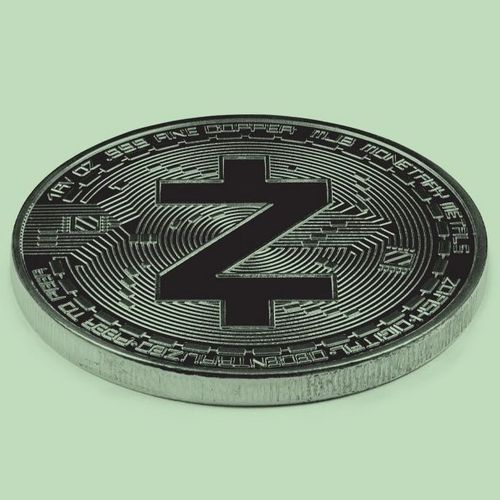
Grayscale is preparing to list a Zcash ETF on NYSE Arca under the ticker ZCSH — the first serious attempt to drag a full-blown privacy coin into the world of regulated ETFs, custodians, and brokerage accounts.
The timing is no accident. In 2025, ZEC went vertical: from about $29 in March to roughly $699 in November, a surge of around +730% year-to-date. That kind of move does one thing very well: it gets institutional attention.
ZCSH is designed to let funds, advisors, and retail investors buy the privacy narrative through a familiar, regulated wrapper — no exchanges, no self-custody, no shielded-address drama. In practice, it’s a price-exposure vehicle, not a privacy tool.
🔐 Zcash vs Compliance: When Privacy Becomes a Theme
Zcash was built for selective privacy. Using zk-SNARKs, it allows users to shield sender, receiver, and amount — or keep things transparent when needed. That balance between auditability and confidentiality is exactly why ZEC became iconic in the privacy-coin world.
The ETF, however, can’t really play with that feature set.
- Creations are done in cash, not in-kind ZEC transfers.
- The sponsor buys ZEC and parks it in Coinbase Custody and similar regulated venues.
- Even if in-kind redemptions appear later, they’ll need to use transparent addresses for KYC, OFAC, and audit requirements.
The result is the core paradox of ZCSH:
Privacy doesn’t disappear — it just gets turned into a narrative, not a function.
Investors aren’t using shielded transactions. They’re trading the idea of privacy, with the tech itself mostly locked behind compliance glass.
👥 Who Actually Needs a Zcash ETF?
The Zcash ETF isn’t made for cypherpunks running full nodes. It primarily serves three groups:
-
Institutional investors
Funds that want exposure to privacy coins without:- managing private keys,
- touching shielded pools,
- arguing with compliance departments.
-
Retail investors inside brokerage apps
People who want to trade “that privacy coin that pumped” but prefer ticker symbols in a brokerage account over CEX KYC, self-custody, and withdrawal flags. -
Hedge funds and high-beta speculators
Traders who see ZEC’s price action and think: “High volatility + strong narrative = asymmetric bet.” For them, the ETF is a neat on-ramp to ZEC’s volatility without touching crypto plumbing directly.
None of these groups are here to privately pay for coffee with shielded ZEC. They’re here to trade the curve and the story.
📊 Privacy as an Institutional Asset Class
The real story behind ZCSH isn’t “ETF number X” — it’s the fact that privacy itself is being treated as a legitimate investment factor.
In effect, Grayscale is trying to create a market where:
- Confidentiality is something you can price, not just theorize about.
- Regulated portfolios can hold exposure to privacy technology without holding private keys.
- Privacy coins move from cypherpunk subculture into Wall Street slide decks.
That turns the Zcash ETF into three parallel tests:
- 🧪 Regulatory adoption test: Can a privacy coin live under full KYC, OFAC screens, and audit trails without constant pushback?
- 📈 Investor appetite test: Will funds actually allocate to a constrained, compliance-wrapped privacy asset?
- 📣 Market signal test: Does this legitimize privacy coins as infrastructure, not just speculative side quests?
If the answer to even two of those is “yes,” ZCSH becomes more than a product — it becomes a blueprint for how privacy tech enters regulated finance.
⚖️ The Big Paradox: To Be Accepted, Privacy Gets De-Clawed
There’s no way around the contradiction:
- The ETF cannot use Zcash’s full privacy features without clashing with compliance requirements.
- Yet it’s being sold and traded because of the value of those very features.
In other words, to step onto Wall Street, privacy tech has to:
- tone down its most radical functionality,
- accept transparent custody,
- and live inside a regulated, auditable box.
But that doesn’t make the move meaningless.
From an ATH.LIVE perspective, ZCSH does two things at once:
- It limits real-world privacy inside the product — no shielded transfers, no cypherpunk workflows.
- It elevates privacy tech to the level of an institutionally priced asset class.
The message to the market is clear: “We may not let you use privacy fully — but we will absolutely trade it.”
🧠 ATH.LIVE Editorial Take
Grayscale’s Zcash ETF won’t make Wall Street private, and it won’t unlock shielded pools for brokers and funds. What it does is normalize privacy as investable infrastructure.
ZEC inside ZCSH becomes a proxy for the institutional adoption of confidentiality — a way for capital to say: “We think privacy tech matters, even if we only touch it through a regulated wrapper.”
It’s a paradox, but also a milestone:
- Privacy gets softened to fit compliance.
- But it also gets priced, modeled, and allocated at scale.
In that tension — between pure cypherpunk ideals and fully regulated markets — the future of privacy coins will be decided.
🧩 TL;DR
- Grayscale plans to list a Zcash ETF (ZCSH) on NYSE Arca, giving Wall Street regulated exposure to a major privacy coin.
- ZEC has surged roughly +730% YTD, making institutional interest in the privacy narrative impossible to ignore.
- The ETF uses cash creations and transparent custody, meaning Zcash’s core feature — shielded transactions — stays mostly unused inside the product.
- ZCSH serves institutions, brokerage-native retail, and speculators who want the theme of privacy without operational or regulatory headaches.
- The big paradox: functional privacy is constrained to meet regulation, but privacy tech itself is finally treated as a serious, institutionally priced asset class.