Biometrics, Crypto, and the Risk of Leaks: Why Has Thailand Launched an Investigation?
Thailand Raids Worldcoin-Linked Firms as DSI Probes 1.2 Million Iris Scans and Data Storage Risks
Thai authorities investigate whether biometric data from over a million citizens was stored or transferred overseas under a crypto-for-identity scheme
Thailand’s Department of Special Investigation (DSI) has launched a major probe into an “iris-scan for crypto” business model linked to Worldcoin, raiding five locations in Bangkok amid concerns that the biometric data of more than 1.2 million Thai citizens may have been improperly stored or transferred abroad.
The case highlights growing regulatory anxiety in Thailand and Southeast Asia over biometric identity, digital assets, and the speed at which experimental crypto projects are scaled before legal clarity is established.
What Happened: Five Raids, One Core Question
DSI officers executed court-approved search warrants at five sites believed to be linked to iris-scanning operations, data storage, and financial records connected to Worldcoin-style identity verification.
The locations included:
- TIDC Holdings Co Ltd (Phaya Thai Road)
- TIDC Worldworks Co Ltd
- TIDC Co Ltd (Gaysorn Tower, 25th floor), flagged as a suspected biometric data storage site
- M Vision Plc
- A luxury residence in Ladawan Village (Rama 2) linked to a company director
Authorities seized documents, computers, financial records, and “Orb” iris-scanning devices, aiming to trace how biometric data was collected, processed, and stored.
The central issue is not crypto itself — but where Thai citizens’ biometric identities ended up.
The 1.2 Million Scan Claim
According to DSI findings, more than 1.2 million people in Thailand may have agreed to iris scans in exchange for cryptocurrency during 2024.
Investigators say many participants may not have been fully informed about:
- where their biometric data was stored,
- whether it was kept inside Thailand,
- or whether it was transferred overseas to cloud systems or third parties.
DSI officials described iris data as “comparable to DNA” in sensitivity, warning that misuse could enable cybercrime, mule accounts, or large-scale identity fraud.
Regulatory Grey Zones and the SEC Question
The investigation has widened to include Thailand’s regulatory framework.
DSI confirmed that the Thai Securities and Exchange Commission (SEC) has not issued a definitive legal certification confirming that the iris-scan-for-token model complies with Thailand’s Digital Asset Emergency Decree.
As part of the inquiry, investigators questioned senior officials, including Wisit Wisitsora-at, current SEC chairman, in his former role as permanent secretary at the Ministry of Digital Economy and Society (DES).
This signals that the case is no longer just about one company — but about institutional oversight gaps.
The MoU That Raised Red Flags
Momentum for the raids accelerated after current DES Minister Chaichanok Chidchob flagged irregularities in a memorandum of understanding (MoU) signed in March 2024 between the ministry and Prime Opportunity Fund VCC, a Singapore-based entity.
Key concerns raised by DSI:
- the MoU was drafted, approved, and signed in just three days;
- the agreement involved plans for a Thailand International Digital and Financial Centre;
- alleged links surfaced between the fund and global money-laundering networks.
The MoU was later cancelled.
International Links Under Scrutiny
Investigators are also examining relationships involving:
- Tools for Humanity, the organization behind Worldcoin;
- KuCoin, a major global crypto exchange licensed by Thailand’s SEC but previously investigated in multiple jurisdictions, including the United States.
Authorities are assessing whether KuCoin’s platform may have been used by transnational laundering groups, and whether related entities intersected with Prime Opportunity Fund.
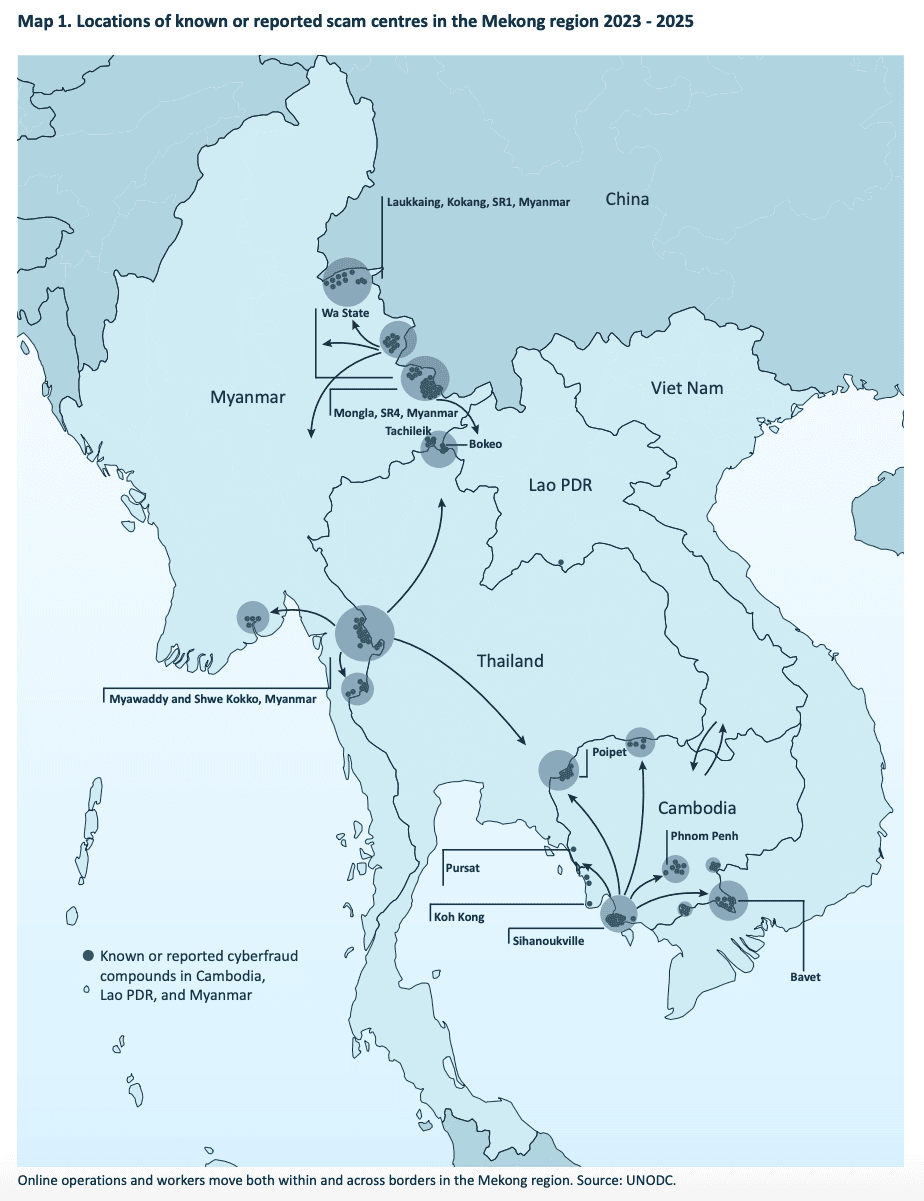
Prime Opportunity Fund has been linked to individuals sought for questioning over alleged financial ties to Cambodian scam operations.
What Happens Next
DSI says its immediate priority is determining whether the biometric data of the 1.2 million Thai participants:
- remains stored on local servers,
- was held on foreign cloud infrastructure, or
- has already been transferred outside Thailand.
If wrongdoing is confirmed, officials say criminal charges will follow, and the investigation will expand to identify the ultimate decision-makers behind the operation.
Why This Matters
This case could become a regulatory turning point for biometric crypto projects in Thailand and Southeast Asia.
The core lesson is clear: Innovation that moves faster than governance eventually collides with the state.
For now, Thailand’s message is firm — digital identity experiments involving citizens’ bodies, not just their wallets, will face the highest level of scrutiny.
The age of “scan first, regulate later” may be coming to an end.

Recent News








All Time High • Live
Have questions or want to collaborate? Reach us at: [email protected]