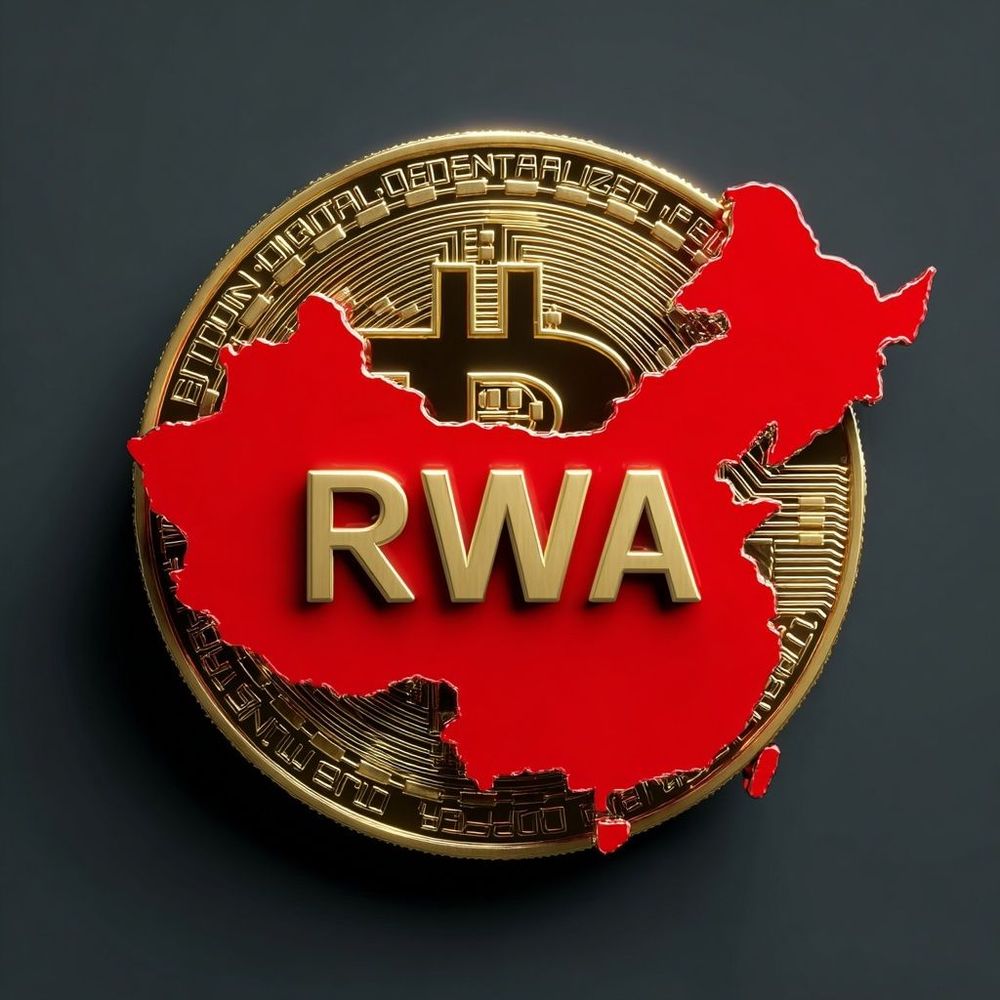
🚫 China Bans RWA Tokenization — Its Most Sweeping Crypto Crackdown Since 2021
Seven of China’s most powerful financial associations have declared real-world asset tokenization, stablecoins, mining, and all crypto fundraising strictly illegal — widening the policy gap between mainland China and the rest of the world.
⚡ Quick Facts
- China issues its first-ever national ban on RWA tokenization.
- Seven major financial associations coordinated a unified, industry-wide crackdown.
- Banned: stablecoins, mining, RWAs, airdrops, exchange activity, fundraising.
- Ban applies even to offshore-affiliated companies with mainland operations.
- Move aims to stop capital flight and reduce crypto-linked money laundering.
- ATH.LIVE reports rising youth frustration as global markets profit from RWA adoption.
🔒 The “Four-Layer Blockade”: Beijing’s New Anti-Crypto Framework
China’s latest policy is not a simple warning — it is a coordinated, multi-agency strike designed to close every remaining loophole in the mainland crypto economy.
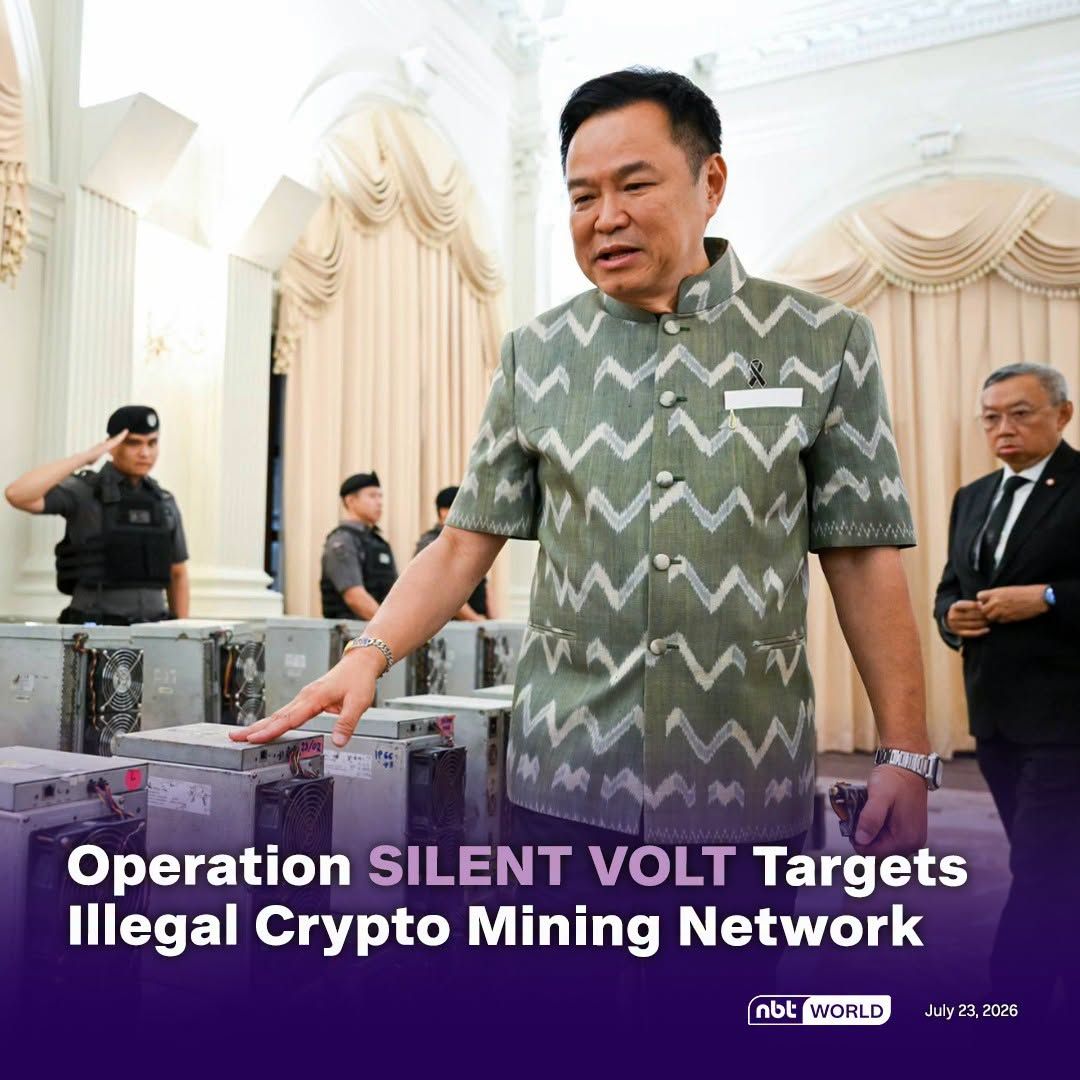
- Cut off mining infrastructure — no industrial-scale or covert mining allowed.
- Block stablecoin payment channels — USDT and USDC transactions deemed illegal.
- Seal RWA tokenization routes — banning on-chain representation of domestic assets.
- Eliminate fraud schemes — including Pi Network and similar pseudo-crypto projects.
According to the notice, individuals and organizations may not issue, exchange, promote, or raise funds using RWAs or virtual currencies within mainland China — even when acting through offshore subsidiaries.
🏦 Why China Banned RWAs Now
RWA tokenization is booming globally. BlackRock’s $2B BUIDL fund is already tokenized, accepted on Binance and Crypto.com, and used as collateral in institutional DeFi rails. Dozens of sovereign funds, banks, and tradfi players are experimenting with on-chain treasuries.
But in China, RWAs pose a systemic risk: tokenized domestic assets can be moved offshore quickly and silently, bypassing:
- capital controls
- state banking channels
- foreign exchange oversight
- AML tracking mechanisms
Authorities cited a 37% year-over-year increase in crypto-related money laundering as a key justification for the ban.
🇭🇰 Mainland China vs Hong Kong: A Tale of Two Systems
While Beijing is shutting down tokenization, Hong Kong continues to expand its licensed RWA ecosystem. Tokenization of bonds, funds, and treasuries is allowed — as long as it does not involve mainland Chinese users or assets.
This deliberate divergence sends a clear message:
Mainland China: control first, innovation later. Hong Kong: innovation with regulation.
The policy split is confusing to investors — but strategic for Beijing, which wants global financial relevance through Hong Kong without loosening capital controls at home.
😤 Rising Youth Discontent: “Why Can Everyone Else Build Wealth Except Us?”
ATH.LIVE analysts report a surge of frustration across Chinese online communities, especially among younger investors who watched global markets profit from:
- Bitcoin’s multi-year rally
- RWA tokenization growth
- stablecoin yields
- global Web3 startups
Many describe China’s renewed ban as “locking the door to the future” while the rest of the world accelerates.
Criticism focuses on the widening gap between China’s blanket restrictions and the innovation-friendly policies of the U.S., Europe, the Middle East, and Southeast Asia.
📉 Short-Term Impact: Enforcement Up, Innovation Down
Analysts expect immediate suppression of:
- stablecoin payment networks
- unregulated tokenization experiments
- mining and OTC activity
But the deeper impact is long-term: China risks losing talent, capital, and experimentation to jurisdictions like:
- Hong Kong
- Singapore
- UAE
- U.S. tokenization platforms
🔍 ATH.LIVE Editorial Take
China’s full ban on RWA tokenization is not just a regulatory update — it’s a philosophical choice.
Beijing is betting on:
- state-controlled digital finance (e-CNY)
- closed capital systems
- macro stability over innovation
But the world is moving in the opposite direction: open financial networks, tokenized assets, and global interoperability.
This crackdown may temporarily reduce illicit activity, but it also:
- widens the gap between China and global crypto markets
- intensifies youth disillusionment
- pushes innovation offshore
In a decade where tokenized assets may define global finance, China risks sidelining itself from the next monetary revolution.
🧩 TL;DR
- China issues its first national ban on RWA tokenization and reaffirms all crypto activities as illegal.
- A coordinated “four-layer blockade” targets mining, stablecoins, RWAs, and fraud networks.
- Ban aims to prevent capital flight through tokenization.
- Hong Kong still allows licensed tokenization, widening the policy gap.
- Youth frustration grows as global crypto wealth opportunities expand abroad.
- ATH.LIVE: China is prioritizing control over innovation — but risks being left behind.