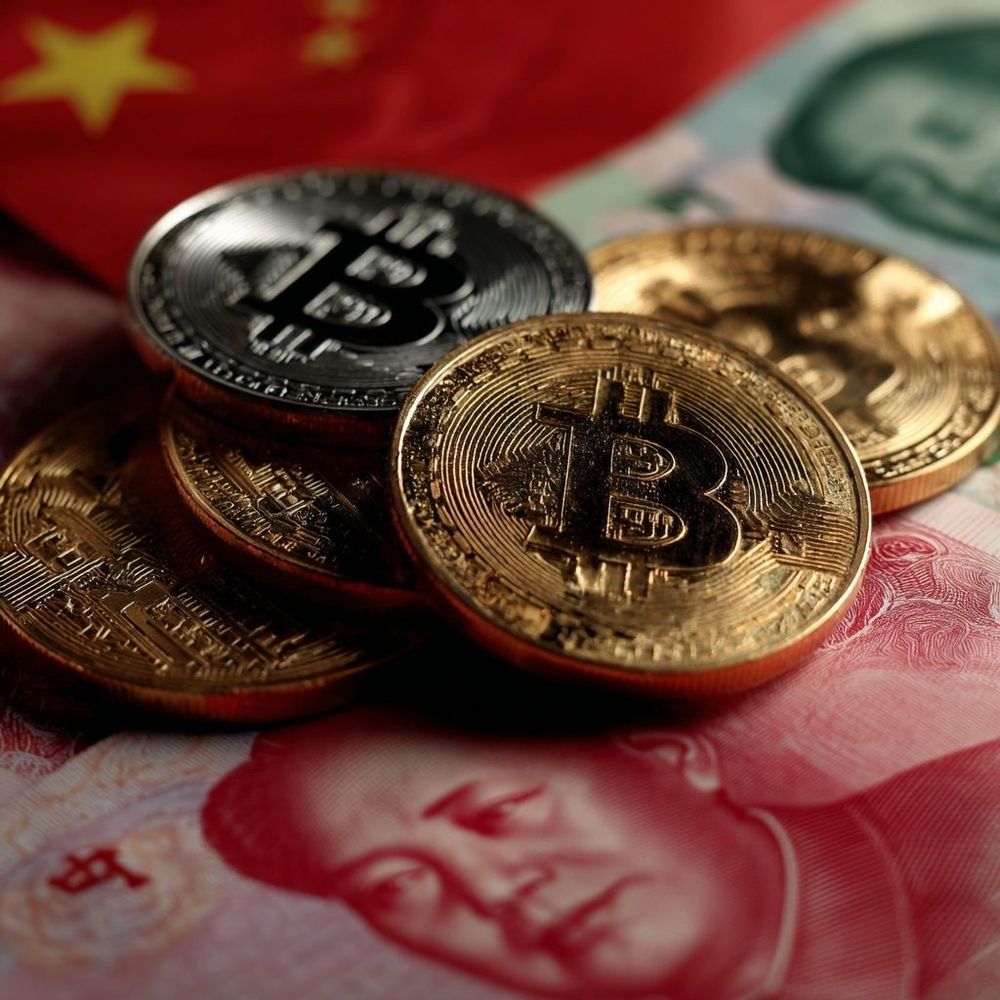
🧱 China Reaffirms Its Anti-Crypto Stance — Tight Control Over Innovation Remains the Rule
CSRC Chairman Wu Qing warns that crypto assets belong in the category of high-risk finance requiring strict discipline — signaling that China’s hard line is not softening anytime soon.
⚡ Quick Facts
- CSRC Chairman Wu Qing calls for extreme caution across high-risk sectors, including crypto.
- China’s crypto stance remains unchanged: strict oversight, no formal participation, no regulatory thaw.
- China banned domestic exchanges in 2017 and later cracked down on mining and private trading.
- China’s posture influences global sentiment despite being largely isolated from the crypto economy.
- Regions like the U.S., EU, Middle East, and Southeast Asia stand to benefit from China’s withdrawal.
⚠️ China Doubles Down on Risk Prevention
During the annual meeting of the Securities Association of China, Wu Qing, Chairman of the China Securities Regulatory Commission, reiterated a clear message: all high-risk financial sectors must be handled with strict discipline.
He specifically listed:
- margin financing,
- OTC derivatives,
- crypto assets.
Wu’s core position is blunt:
“If a sector cannot be clearly and effectively controlled, it should not be developed.”
This philosophy aligns perfectly with China’s broader economic doctrine: financial stability above everything else.
🚫 Innovation vs. Control: China Chooses Control
Wu Qing’s comments introduced no new bans — but that is precisely the point. China is not adjusting its stance; it is entrenching it.
For Beijing, crypto is not a technological innovation. It is a systemic threat to:
- capital controls,
- domestic currency stability,
- state-managed financial systems.
China’s approach to crypto has been consistent:
- 2017 — Mainland exchanges banned.
- 2019–2021 — Miners displaced and trading restricted.
- 2022–2025 — Continuous reinforcement of risk-based prohibitions.
Wu’s latest speech confirms: this is not temporary policy. It is a long-term ideological stance.
🌏 Why China’s Position Still Matters Globally
Even though China is largely cut off from the crypto ecosystem, its political signals still influence markets, because China remains:
- the world’s second-largest economy,
- a dominant force in Asian monetary policy,
- a major sentiment driver for global investors.
When China reaffirms its hard line, it removes one of the biggest potential capital sources from the crypto narrative — shifting the balance toward more open jurisdictions.
🌱 The Opportunity Shifts to Southeast Asia, Europe, and the U.S.
As China doubles down on restriction, the beneficiaries are increasingly clear:
- United States — spot ETFs, state-level bitcoin adoption, institutional clarity.
- European Union — MiCA forming standardized crypto markets.
- Middle East — sovereign funds and tokenized infrastructure pilots.
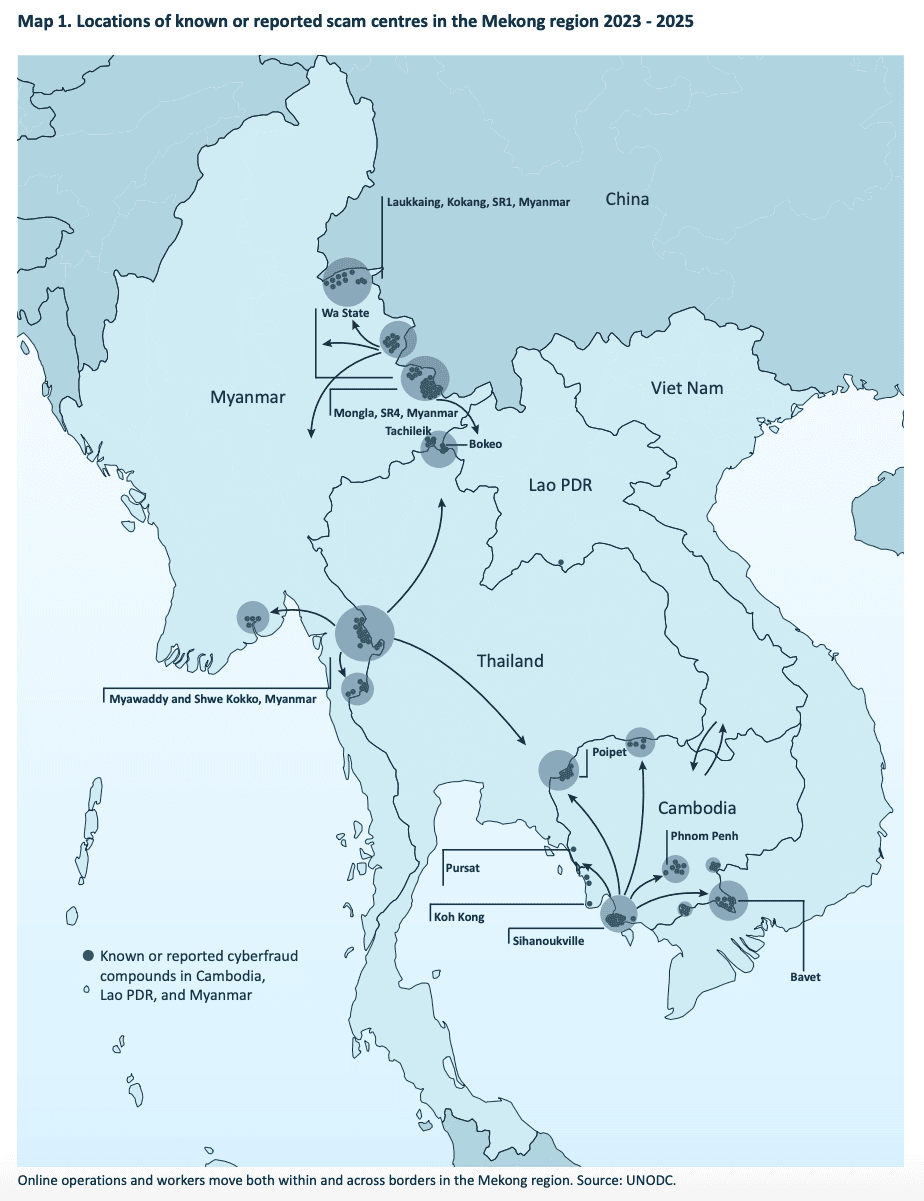
- Southeast Asia — Thailand, Singapore, and Indonesia building regulated-but-open frameworks.
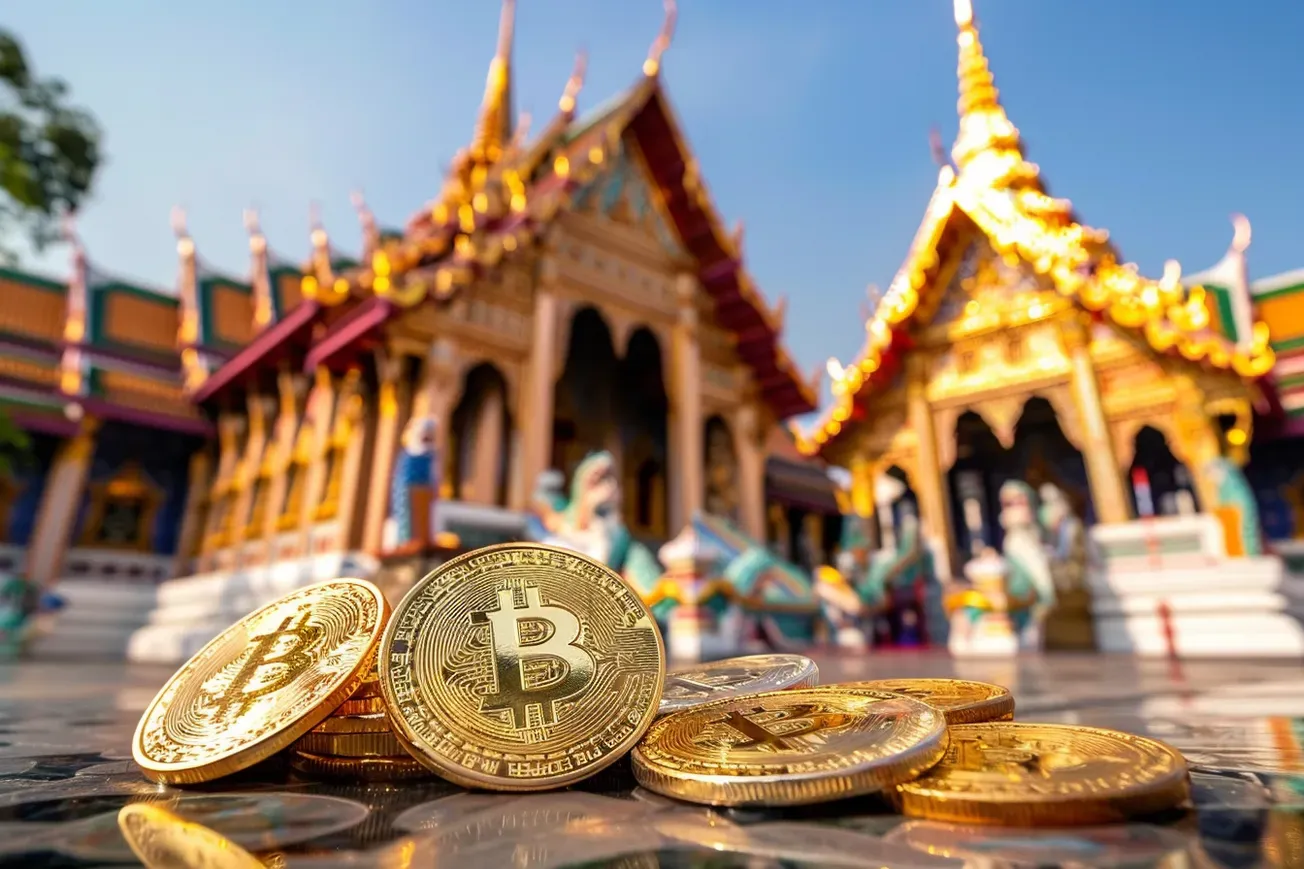
Thailand’s licensing-based model stands in stark contrast to China’s prohibition-first mentality — making the region increasingly attractive to Web3 startups and builders.
🧠 ATH.LIVE: China’s Fear of Decentralization Is the Real Story
From the ATH.LIVE editorial standpoint, China’s position reveals three core truths about its financial ideology:
- a deep fear of uncontrollable systems,
- a preference for centralized surveillance,
- a reluctance to adopt innovations that weaken state control.
“China is choosing safety and surveillance over experimentation. History shows that rejecting transformative technology does not stop it — it only shifts leadership elsewhere.” — ATH.LIVE
By stepping back, China is enabling other regions to define the future of:
- programmable finance,
- tokenized reserves,
- digital asset infrastructure.
In a world migrating toward digital neutrality, complete exclusion may one day prove riskier than participation.
🟧 Bitcoin’s Role in a Controlled Financial World
China’s refusal to engage reinforces a foundational Bitcoin thesis:
“The more nation-states attempt to control capital, the more attractive neutral, borderless assets like Bitcoin become.”
In the long run, China’s stance may do less to suppress crypto — and more to strengthen Bitcoin’s narrative as the counterweight to centralized monetary power.
🧩 TL;DR
- CSRC Chairman Wu Qing reiterates strict caution and supervision for crypto assets.
- China continues to view crypto as systemic risk, not innovation.
- No policy softening: China remains formally closed to institutional crypto participation.
- This stance shifts global opportunity toward the U.S., EU, Middle East, and Southeast Asia.
- ATH.LIVE sees China’s rigidity as a catalyst for Bitcoin’s long-term appeal.
- History shows that rejecting disruptive technology rarely stops it — leadership simply moves elsewhere.