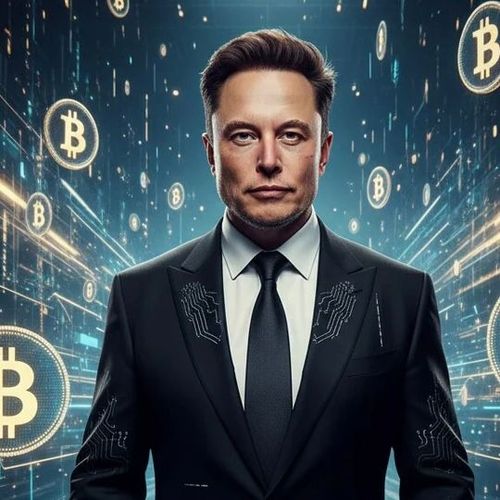
⚡ Elon Musk Says “Energy Is the Real Currency” — Renewing Bitcoin’s Institutional Momentum
Musk argues that traditional money becomes obsolete once human needs are met — and that Bitcoin, backed by energy consumption rather than government authority, represents the future of value.
⚡ Quick Facts
- Elon Musk claims energy — not fiat — is the ultimate store of value.
- He frames Bitcoin as an energy-backed digital currency.
- Investor interest in BTC rose following his comments.
- Institutional accumulation increased as Bitcoin was reinterpreted as a scarce, energy-linked asset.
- Critics like Peter Schiff reject this thesis, calling Bitcoin “fake.”
🔌 Musk’s Vision: Energy as the Foundation of Value
Speaking on a podcast, Elon Musk proposed a world where traditional currency becomes obsolete, replaced by a value standard rooted in energy. In his view, energy is finite, measurable, and unforgeable — qualities absent in modern fiat systems.
Musk’s three core arguments:
- Energy cannot be printed — scarcity is built-in.
- Bitcoin reflects energy value — its creation requires real energy expenditure.
- Energy-backed currency resists inflation — unlike fiat subject to unlimited expansion.
“Governments can print money, but they cannot print energy. This creates a natural barrier strengthening Bitcoin’s foundation.” — Elon Musk
📈 Market Response: Bitcoin as an Energy Asset
Musk’s comments triggered a notable market reaction, reinforcing Bitcoin’s identity as a store of value with intrinsic energy cost.
Recent trends:
- Institutional buying picked up.
- Crypto funds renewed BTC allocations.
- Global discussions surged around Bitcoin as “energy-backed money.”
- Skeptics — notably Peter Schiff — continued dismissing Bitcoin as a “fake asset.”
Despite divides, sentiment skewed bullish — the narrative is sticky.
🏛️ A Modern Echo of Historical Money
Musk’s thesis mirrors historical periods when currencies were tied to tangible resources such as gold, metals, and commodities.
- Energy-based valuation creates physical scarcity in digital form.
- Bitcoin becomes comparable to commodity-backed money.
- This framing may influence how institutions classify BTC within portfolios.
🧠 ATH.LIVE Analyst Take
1. Institutional Adoption Acceleration
“Framing Bitcoin as energy-backed provides a rational, defensible argument for funds to treat it as a long-term store of value.”
2. Market Sentiment Shift
Musk’s framing strengthens bullish sentiment by positioning BTC as fundamentally distinct from speculative altcoins.
3. Regulatory Implications
“Energy linkage may push regulators to view BTC more like a commodity than a currency — affecting taxation and investment rules.”
🌍 The Bigger Picture: Bitcoin Beyond Ideology
Musk’s narrative isn’t just financial — it’s ideological. It positions Bitcoin as:
- a reserve asset tied to energy,
- a counterweight to inflationary monetary policy,
- a digital commodity with intrinsic creation cost.
According to ATH.LIVE, this framing may broaden institutional acceptance and influence global regulatory approaches.
Bitcoin emerges not merely as a speculative tool, but as a tangible, energy-linked store of value.
🧩 TL;DR
- Elon Musk claims energy — not fiat — is the real foundation of economic value.
- He argues Bitcoin reflects energy scarcity, giving it intrinsic strength.
- Institutional buying increased after Musk reaffirmed BTC’s “energy-backed” nature.
- Analysts say this framing could reshape regulatory, institutional, and market attitudes toward BTC.
- Bitcoin’s role as a currency alternative may strengthen as the energy-value thesis spreads.