Hong Kong Unlocks Crypto Staking and Stablecoins in Major Regulatory Overhaul
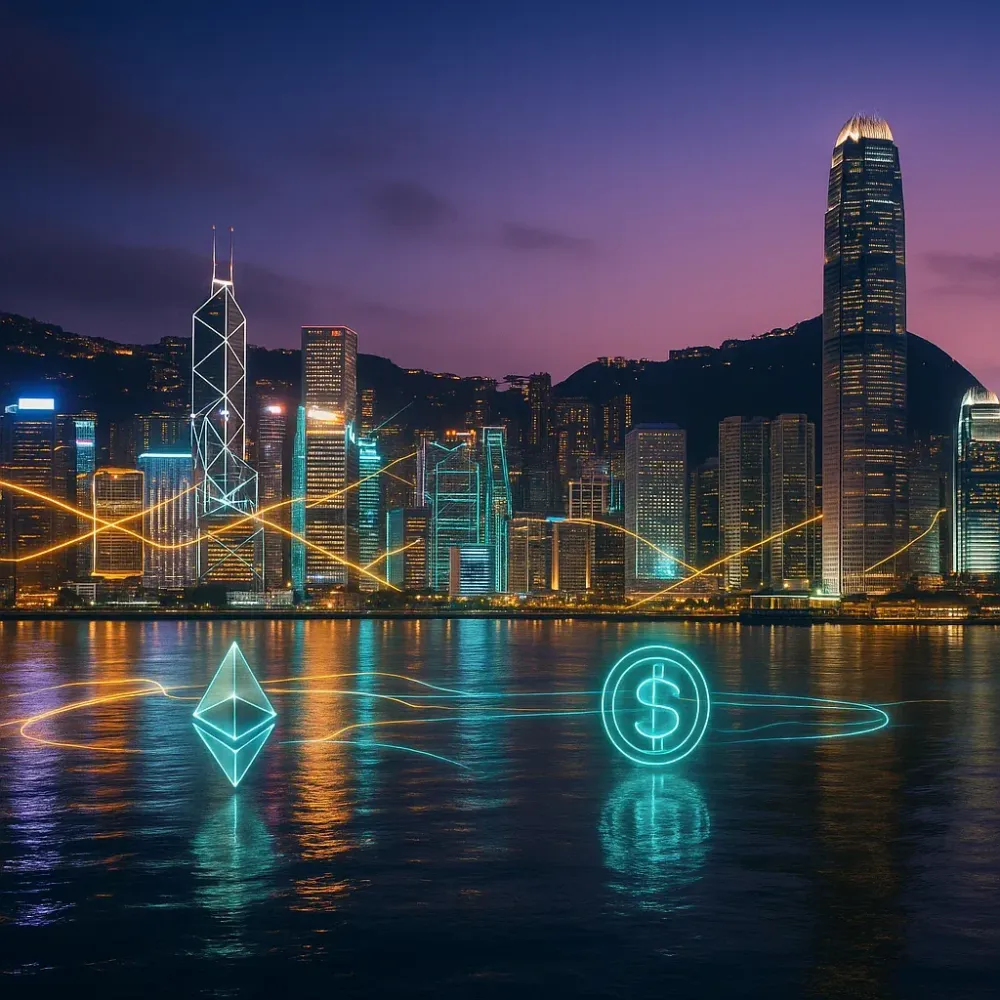
Hong Kong Greenlights Staking and Stablecoins: A Regulatory Power Play to Reclaim Asia’s Crypto Crown
With new joint rules from the SFC and HKMA, Hong Kong is moving from caution to confidence — unlocking licensed staking, stablecoins, and virtual asset funds under a transparent, institution-friendly regime.
⚡ Quick Hits
- 🏦 New framework: Licensed intermediaries can now offer staking and stablecoin services.
- 📅 Issued: September 30, 2025, by SFC and HKMA.
- 💰 Stablecoins: Now a licensed activity under Hong Kong’s new Stablecoins Ordinance.
- 🧩 Market impact: Regulatory clarity attracts institutional players back to Hong Kong.
- 🌐 Goal: Restore the city’s position as Asia’s digital finance and crypto hub.
🧭 From Restriction to Revival
Hong Kong’s financial regulators just sent a clear message: crypto is back on the menu — legally and institutionally.
The Securities and Futures Commission (SFC) and the Hong Kong Monetary Authority (HKMA) released a joint circular redefining how licensed intermediaries can handle digital assets.
What’s new?
- ✅ Staking via segregated client accounts
- ✅ Off-platform trading for digital assets
- ✅ Virtual asset funds treated as investments, not trading ops
This is the first time regulators have explicitly allowed intermediaries to participate in on-chain activities — a dramatic pivot from earlier risk-averse stances.
“The SFC and HKMA introduce refinements and relaxations to facilitate market development while adhering to investor protection,” the HKMA stated.
The move transforms Hong Kong from a compliance-heavy observer into a bridge for global crypto capital, setting a precedent for how regulation and innovation can coexist.
🪙 Staking, Off-Platform Trading, and Funds — Finally Defined
The circular clears long-standing operational bottlenecks for licensed institutions:
*� Staking: Licensed firms can now stake client assets through segregated accounts with mandatory risk disclosures — legitimizing institutional staking for the first time.
*� Off-Platform Trading: Intermediaries can facilitate direct peer or OTC transactions without being classified as exchanges.
*� Fund Structuring: Crypto funds are no longer automatically treated as trading operations, simplifying compliance for virtual asset managers.
This clarity gives custodians, asset managers, and exchanges the green light to expand regulated offerings. The reaction was immediate — industry players hailed the move as the start of a new institutional cycle in Asia.
💵 Stablecoins: From Sandbox to Supervision
The Stablecoins Ordinance, effective August 1, 2025, officially makes fiat-referenced stablecoin issuance a licensed activity.
Framework essentials:
- 🧾 Licensing: HKMA’s Explanatory Note guides new applicants.
- ⏳ Transition: Pre-existing issuers must comply via transitional provisions.
- 🕵️ Supervision: Licensed issuers fall under AML/CFT and transparency rules.
- 📚 Public Register: A live Register of Licensed Stablecoin Issuers ensures transparency (currently no approvals granted).
This is the culmination of a multi-year effort that began in 2022, moving through consultation papers, sandbox trials, and legislation passed in mid-2025.
The result: a framework that mirrors Europe’s MiCA, bringing stablecoins out of the gray zone and into the regulated economy.
🧠 Ethereum Reacts — Clarity Meets Volatility
Ethereum (ETH) — the barometer for institutional DeFi sentiment — traded at $4,458.93, down 4.65% on the day but up nearly 60% over 90 days.
Short-term corrections followed the announcement, but the broader message is bullish: regulatory clarity drives long-term adoption.
Hong Kong’s framework aligns with Japan’s progressive crypto model and Singapore’s regulatory integration, signaling a regional shift toward structured, compliant DeFi ecosystems.
🌉 Hong Kong’s Comeback Playbook
This isn’t just policy — it’s strategy.
By offering a transparent, enforceable regime for staking, stablecoins, and virtual asset funds, Hong Kong is reclaiming its fintech leadership.
Key goals:
- Restore investor trust after years of policy ambiguity
- Attract global custodians, exchanges, and asset managers
- Build a regulated DeFi gateway between East and West
Only fully licensed intermediaries qualify — ensuring institutional-grade security and investor protection remain central.
🏦 The Bigger Picture: Hong Kong’s Crypto Hub 2.0
This move reaffirms Hong Kong’s ambition to become Asia’s regulatory benchmark for digital finance.
Where others hesitate, Hong Kong acts:
- It built clear rules for stablecoins before most Western markets.
- It allowed staking and fund activity without overregulation.
- It created a public licensing register for transparency.
By striking a balance between innovation and control, Hong Kong positions itself as the de facto crypto-fintech capital of Asia — one where compliance isn’t the enemy of progress, but its foundation.
“The message to the world is simple,” said one market strategist. “Hong Kong isn’t chasing the future — it’s regulating it.”
TL;DR
- 🏛️ SFC + HKMA introduced rules enabling staking and stablecoin services for licensed firms.
- 💰 Stablecoin issuance now requires licensing under the new Ordinance.
- 🪙 ETH reacts mildly but long-term sentiment remains bullish.
- 🌍 Hong Kong reclaims its role as Asia’s crypto-fintech hub.
- 🧩 Innovation meets regulation — a balance most markets still lack.
Recent News


All Time High • Live
Have questions or want to collaborate? Reach us at: [email protected]