Thailand Launches “Tourist DigiPay” for Crypto-to-Baht Payments Under AML Oversight
🇹🇭 Thailand Turns Crypto Into Cash: “Tourist DigiPay” Lets Visitors Spend Digital Assets as Baht
Thailand’s new crypto-payment system gives tourists the power to spend Bitcoin, Ethereum, and stablecoins — but under one of the world’s toughest AML regimes.
⚡ Quick Facts
- 💳 Limit: 500,000 THB/month per tourist
- 🏦 Regulators: SEC, Bank of Thailand, AMLO
- 🌐 Conversion: Crypto → Baht → Crypto
- ⏱️ Pilot Duration: 18 months
- 🔒 Compliance: Full KYC & AML required
🌴 From Crypto Wallets to Thai Markets
Thailand is taking crypto tourism mainstream. The government has launched “Tourist DigiPay”, a joint pilot between the Securities and Exchange Commission (SEC), the Bank of Thailand, and the Anti–Money Laundering Office (AMLO) — letting tourists convert crypto into Thai baht for everyday spending.
The system acts as a gateway for compliant crypto spending, modernizing how visitors pay for hotels, restaurants, and retail experiences while ensuring tight anti–money laundering controls.
“Tourist DigiPay will provide an alternative payment option for foreign travellers and promote digital innovation in Thailand’s economy,” said the SEC in a statement.
💱 How It Works
Foreign visitors can top up up to 500,000 baht/month into their Tourist DigiPay wallet, converting Bitcoin, Ethereum, or stablecoins into Thai baht.
The process requires full KYC (Know Your Customer) and CDD (Customer Due Diligence), including biometric verification and identity checks.
Once approved, tourists get two linked wallets:
- 🪙 Digital Asset Wallet: Holds crypto.
- 💵 E-Money Wallet: Stores baht for local payments.
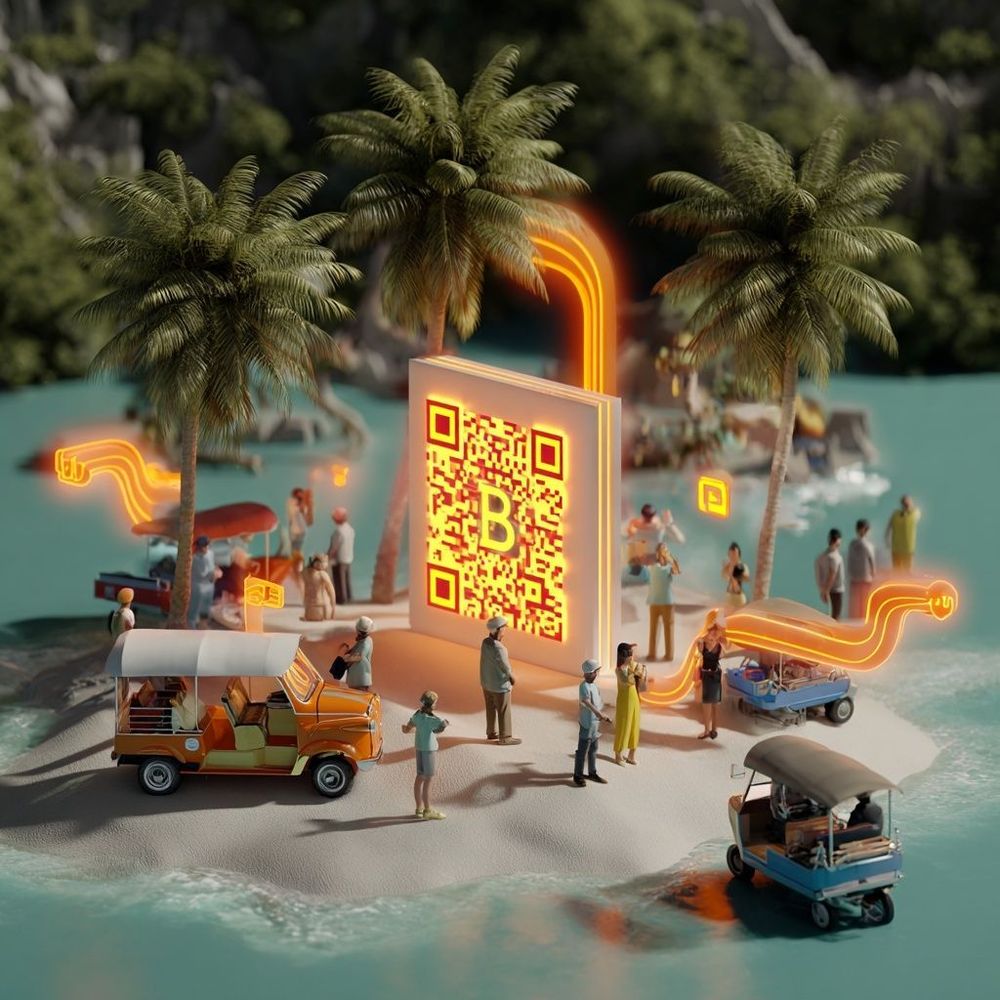
Funds move seamlessly between them, enabling payments via PromptPay QR codes — accepted almost everywhere in Thailand.
Spending limits:
- 🏨 500,000 THB/month for verified merchants
- 🛍️ 50,000 THB/month for small vendors
“These caps align with average tourist spending of about 5,000 baht per day,” said the SEC, noting the system ensures funds are used strictly for legitimate tourism activity.
🚫 No Grey Zones
To maintain transparency, transactions with high-risk businesses — such as casinos, antique dealers, or gold shops — are automatically blocked.
AMLO will monitor all data flows under Thailand’s digital-finance risk framework. Tourists leaving the country can convert unused baht back to crypto only through the same provider, with refunds capped at the original amount exchanged.
“This model balances financial freedom with national security,” said Nirun Fuwattananukul, CEO of Binance TH by Gulf Binance. “Thailand is setting a global standard for responsible crypto integration.”
🏦 Digital Finance Meets Tourism
The 18-month pilot will track adoption, AML efficiency, and system resilience — part of Thailand’s broader plan to digitize the economy and attract next-generation travellers.
According to the SEC, DigiPay is also designed to help local merchants, expanding digital payment access without exposing them to volatility or unregulated crypto flows.
The project builds on Thailand’s strong fintech foundation — including PromptPay, digital ID verification, and CBDC sandbox testing — putting the country ahead of most regional peers.
“Only by experimenting in real-world settings can we understand the risks — and lead global innovation,” said Nirun.
🌏 Why It Matters
Thailand’s approach merges innovation with control — a model that could reshape how governments handle crypto tourism. It’s not about deregulation — it’s about integration.
If successful, DigiPay could become the first national-level crypto spending model for tourists, blending blockchain with central-bank oversight — and redefining what “digital tourism” means in 2026.
🧩 TL;DR
Thailand’s Tourist DigiPay lets tourists spend crypto like cash — converting it into baht under strict anti–money laundering rules. The 18-month pilot, led by the SEC, Bank of Thailand, and AMLO, blends innovation with compliance and positions Thailand as Asia’s crypto-tourism hub.
🔗 Read also
Recent News







All Time High • Live
Have questions or want to collaborate? Reach us at: [email protected]