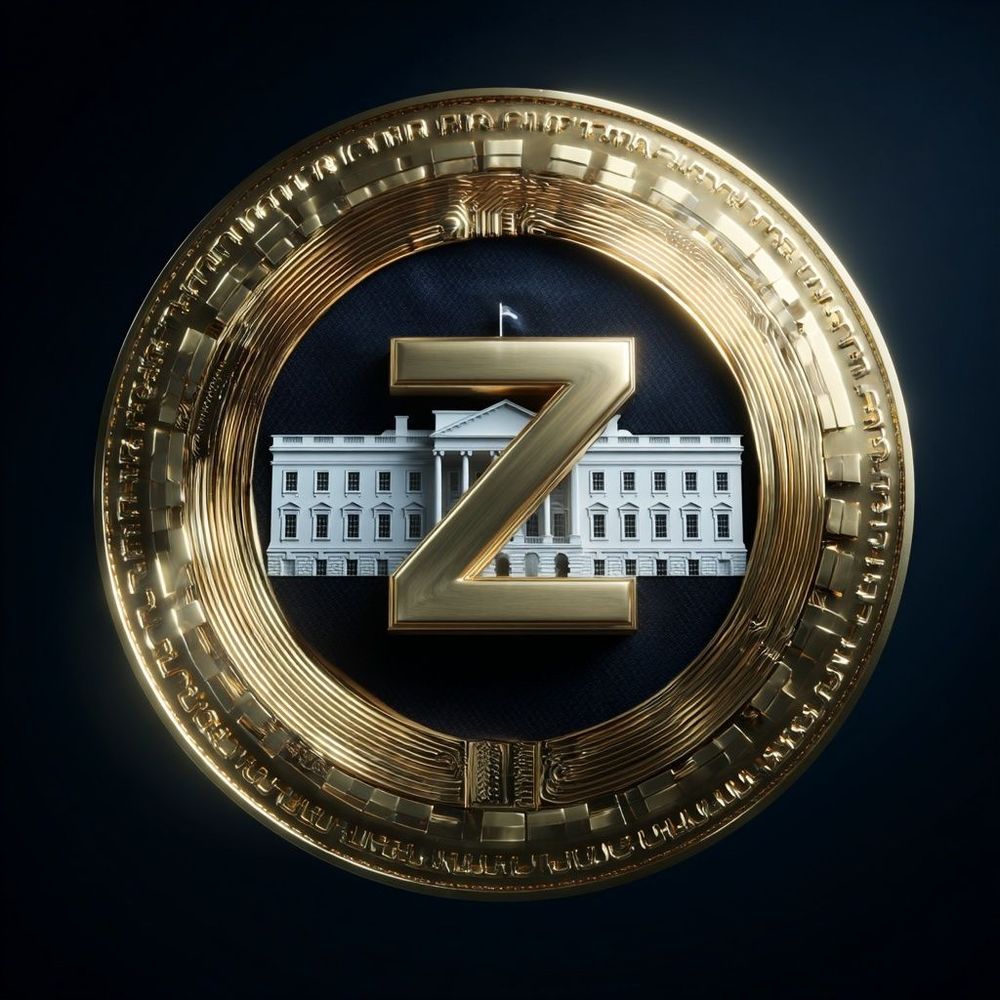
🇺🇸 U.S. Government Quietly Holds Zcash — The Privacy Coin It Warns Everyone Else About
New Arkham Intelligence data reveals that federal agencies control a stash of Zcash — even as Washington escalates scrutiny of privacy technologies.
⚡ Quick Facts
- Arkham found ~$1.5M in Zcash stored in U.S. government–linked wallets.
- The holdings trace back to the 2017 AlphaBay seizure, which included privacy coins.
- Government crypto portfolio: ~$30B BTC, ~$187M ETH, ~$1.5M ZEC.
- Discovery surfaces days before the SEC’s high-profile privacy roundtable.
- Arkham claims 53% of Zcash activity is attributable — a claim heavily disputed.
🔍 How the U.S. Ended Up Holding Zcash
According to new research from Arkham Intelligence, the U.S. government currently controls wallets holding approximately $1.5 million worth of Zcash (ZEC). The funds originate from the Department of Justice’s 2017 takedown of AlphaBay — one of the largest darknet markets in history.
For years, seized crypto assets have been quietly transferred into federal-controlled addresses. Bitcoin and Ethereum make up the vast majority of these holdings, but the presence of Zcash is especially notable given Washington’s aggressive rhetoric around privacy coins.
The irony: the same government that calls privacy tech a national security threat is now one of the unintended holders of a leading privacy asset.
🏛️ The Timing Couldn’t Be More Awkward
The revelation lands less than a week before the SEC’s first-ever official roundtable on privacy-preserving technologies. Confirmed participants include:
- Zcash founder Zooko Wilcox
- Aleo Foundation CEO Alex Pruden
- SpruceID founder Wayne Chang
SEC Commissioner Hester Peirce said the goal is to understand how privacy tools work without violating civil liberties — a major shift from the usual enforcement-first stance.
📊 Arkham’s Provocative Claim: “We Can See Half of Zcash”
Arkham made waves by asserting that over 53% of all Zcash transactions are tied to identifiable entities. Their breakdown:
- 53% of all ZEC transactions linked to known actors
- 48% of inputs/outputs attributed
- $420B+ in tagged transaction volume
Privacy researchers immediately pushed back.
They argue Arkham is mainly analyzing Zcash’s transparent addresses — which function like Bitcoin — while the shielded pool remains largely unanalyzable. Zooko Wilcox himself rejected any implication that core privacy has been compromised.
📈 Zcash Is Quietly One of 2025’s Best Performers
- +1,000% rally this cycle
- November peak above $700
- Currently trading around $430–$440
Institutional interest is rising too: Grayscale has filed for the first-ever spot Zcash ETF — a sign that privacy coins may soon enter regulated markets.
🔎 ATH.LIVE Analysis: A Rare Regulatory Contradiction
ATH.LIVE analysts highlight the symbolic weight of these findings:
“Regulators are cracking down on privacy tools while simultaneously holding — and benefitting from — the very assets they claim to distrust. This exposes how essential privacy infrastructure is becoming, even to the institutions that resist it.” — ATH.LIVE Research
The team argues that privacy protocols are shifting from “risk category” to “infrastructure category.” As cross-border finance, identity systems, and regulated DeFi evolve, privacy layers are becoming unavoidable.
The fact that the U.S. government is unintentionally holding ZEC may foreshadow a larger policy pivot: Not banning privacy — but learning how to coexist with it.
🌐 Bigger Picture: What Happens Next?
- Privacy assets may gain legitimacy as regulators engage directly with their creators.
- Zcash’s performance signals renewed investor appetite for privacy infrastructure.
- Future policy may shift from enforcement to structured compliance standards.
In other words, the government’s Zcash bags may be more than seized tokens — they might be a preview of coming regulatory realignment.
🔎 TL;DR
The U.S. government accidentally became a Zcash holder via old seizure operations. The timing — right before the SEC’s privacy roundtable — is highly significant. Arkham claims half of Zcash activity is attributable, but experts dispute this. ZEC is one of 2025’s strongest performers, with institutional interest rising. ATH.LIVE believes this contradiction may push regulators toward more nuanced, coexistence-based privacy policy.