Beijing Bets Big on Blockchain: $54.5B Plan Aims to Redefine Infrastructure by 2027
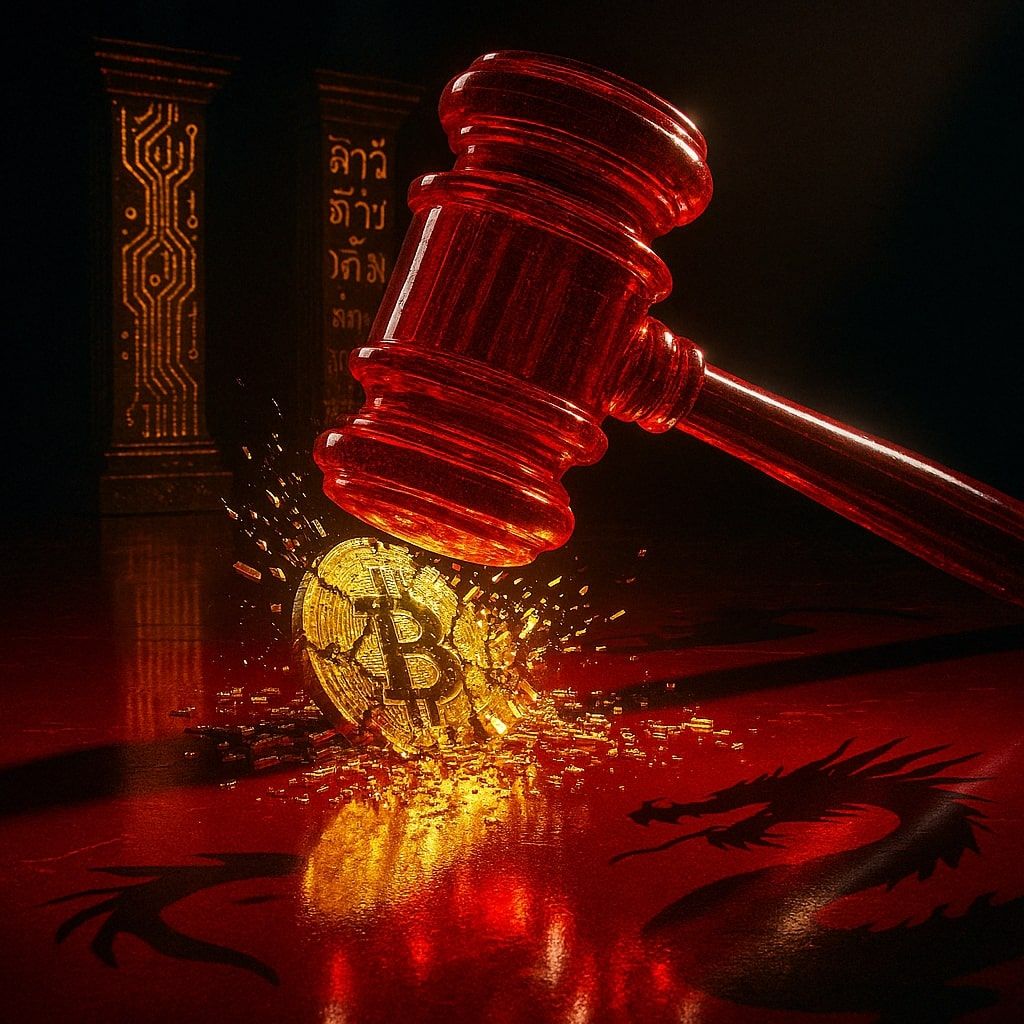
Beijing’s new $54.5B blockchain plan for 2025–2027 targets AI, healthcare, finance, and massive infrastructure upgrades—without touching crypto speculation.
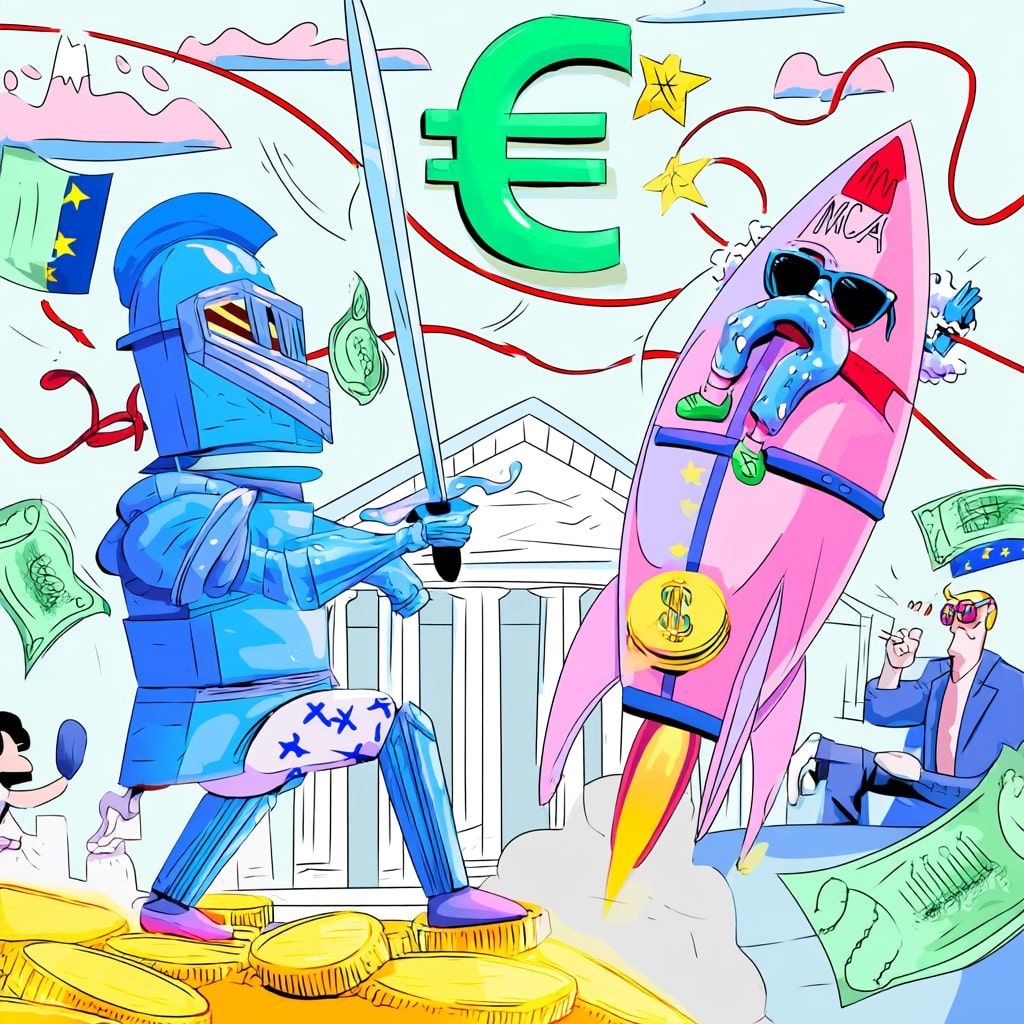
France and Italy have proposed regulatory reforms to make blockchain trials more accessible and flexible across Europe, emphasizing the need for broader participation and long-term investment in digital finance. These changes could help Europe catch up with global competitors and unlock the potential of blockchain technology in financial markets.

Ukraine’s National Commission on Securities and Stock Market (NCFM) is working on a draft law to regulate virtual assets and introduce national crypto assets. Learn about the potential impact on businesses, investors, and Ukraine’s role in the global crypto market.
Bahamut is bringing its innovative PoSA blockchain to Paris Blockchain Week 2025! Join the $10K hackathon on April 5-6, explore the PoSA upgrade launching April 8, and meet the team at Stand #78. Don't miss out on this Web3 revolution!
Kazakhstan’s government is considering a crypto bank to regulate digital assets and curb the shadow market. With 90% of crypto transactions happening outside legal channels, officials argue that proper regulation could boost the economy, create jobs, and position the country as a leader in digital finance.

Bpifrance, France’s state-owned investment bank, is investing €25 million into lesser-known cryptocurrencies to boost the country’s blockchain ecosystem. Find out how this strategic move aims to support local startups and compete with the growing U.S. crypto market.
The UK’s Financial Conduct Authority (FCA) is set to introduce a tougher regulatory framework for crypto firms by 2026. Companies will face a more detailed approval process, including stricter standards for stablecoins, exchanges, and risk management. Learn what crypto firms need to do to stay compliant in the new era of digital asset regulation.
Ukraine introduces a regulatory framework to oversee the crypto market, dividing responsibilities between the National Securities and Stock Market Commission (NSSMC) and the National Bank of Ukraine (NBU). This approach aims to ensure stability, transparency, and international alignment with standards like MiCAR and FATF guidelines.
The launch of the Ocree platform allows Canadians to invest in tokenized real estate through fractional ownership, making commercial properties more accessible to individual investors. By leveraging Polymesh's blockchain technology, the platform offers a secure, transparent, and efficient way for investors to engage in the growing market for tokenized assets.
Open House Group's decision to accept DOGE, SOL, and XRP for real estate transactions highlights Japan's evolving crypto-friendly regulatory environment and sets a precedent for other industries. This move could drive wider adoption of cryptocurrencies in Japan and internationally, offering greater flexibility and accessibility for global investors in the real estate market.
NymVPN’s launch introduces a groundbreaking approach to online privacy by combining decentralized technology with its Noise Generating Mixnet, ensuring both content and metadata remain fully secure. This innovation sets a new standard in digital privacy, offering a robust defense against surveillance, censorship, and AI-based tracking, and empowering users to reclaim their online freedom.
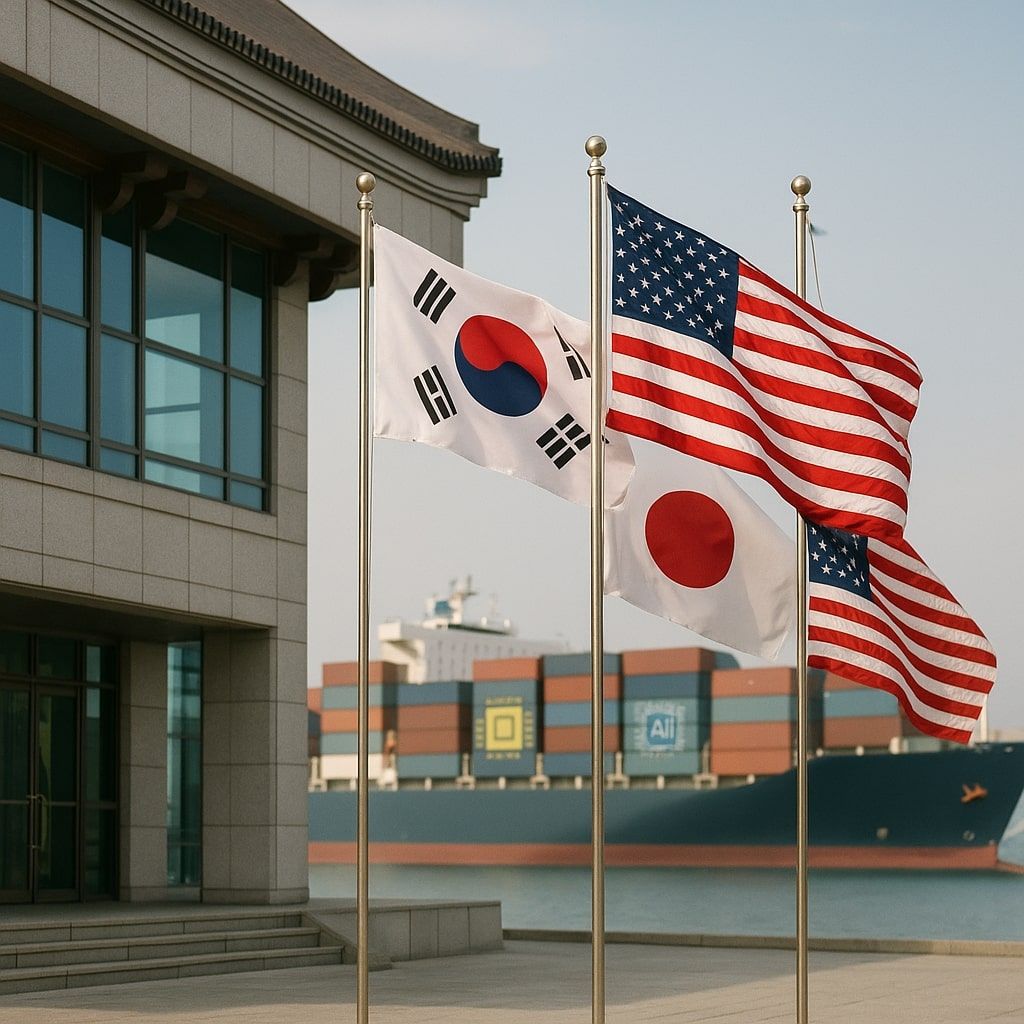
The rise of Web3 in Japan is being driven by major companies making strategic moves into blockchain. Sony and LINE’s partnership with Soneium is set to bring Web3 gaming to millions, while Metaplanet’s Bitcoin strategy signals growing institutional interest in digital assets. These efforts, backed by Japan’s progressive regulatory approach, position the country as a leader in the next wave of blockchain adoption.
Thailand’s SEC has added USDT and USDC to the list of approved cryptocurrencies, opening new prospects for their use in investments and payments. The decision is backed by the Bank of Thailand, while Tether reaffirms its commitment to developing digital payments in the country.
Web3 Armenia Foundation urges the Armenian National Assembly to reject the draft law on crypto regulation, warning that it could harm Armenia's digital sovereignty, innovation, and investment prospects. The foundation emphasizes that the law serves the interests of financial institutions, not the country, and could limit citizens' financial freedom.
Japan has become the first country to officially approve the use of USDC, marking a significant step toward integrating stablecoins into a regulated financial system. This decision paves the way for further development of digital currencies in Japan, strengthening its position as a leader in global crypto regulation.
Donald Trump announced an executive order establishing a U.S. strategic crypto reserve, including Bitcoin, Ethereum, Solana, XRP, and Cardano. While the announcement triggered a market surge, industry leaders remain divided—some see it as a major step toward making the U.S. a crypto powerhouse, while skeptics, like BitMEX’s Arthur Hayes, question its feasibility without congressional approval.
The partnership between BDACS and Ripple marks a significant step toward expanding secure digital asset custody services in South Korea, fostering the growth of the XRPL ecosystem and Ripple’s stablecoin. This collaboration is expected to enhance the country's digital economy, offering institutional investors a safe and reliable platform for managing cryptocurrencies.
The new regulations will bring transparency to Armenia’s crypto market, allowing banks and businesses to operate under clear rules while aligning with international standards. However, the long-term impact remains uncertain, as stricter control could either boost investor confidence or drive crypto businesses underground.
This partnership between TruBit, MoneyGram, and Stellar’s blockchain technology provides a seamless bridge between fiat and digital currencies, empowering users across LATAM to access financial services with greater ease. By combining Stellar's speed and cost-effectiveness with MoneyGram’s vast cash-in and cash-out network, this initiative is poised to drive financial inclusion and make crypto more accessible to everyday users.
The approval of USDC and EURC in the Dubai International Financial Centre solidifies Circle’s global presence and highlights Dubai’s growing role as a hub for digital finance. This milestone paves the way for broader adoption of stablecoins in regulated financial systems worldwide.

Standard Chartered, Animoca Brands, and HKT are joining forces to launch a Hong Kong dollar-backed stablecoin, aiming to enhance payment efficiency and security through Web3 innovations. This initiative strengthens Hong Kong's position as a global digital asset hub, with the potential to drive the wider adoption of stablecoins in both institutional and everyday use.
Armenia is rapidly emerging as a hub for blockchain innovation, driven by its strong engineering heritage, growing tech ecosystem, and successful Web3 startups. The combination of high-quality education, entrepreneurial spirit, and international connections positions the country as a potential key player in the crypto and Web3 industry.
The Thai government has simplified long-term visa rules to attract wealthy foreigners and digital nomads by lowering income requirements and increasing flexibility for families. These changes are expected to boost investments, tourism, and the growth of cryptocurrency technologies in the country, shaping a stronger economic future.
Henley & Partners' ranking underscores the significant role of supportive regulations and innovative infrastructure in fostering cryptocurrency adoption, with Singapore, Hong Kong, and the UAE leading the way. The absence of CIS countries from the top rankings highlights potential challenges they face in integrating digital assets into their economies, which could impact their competitive edge in the evolving global crypto landscape.
The launch of the MetaMask Card represents a significant advancement in making cryptocurrency accessible for everyday transactions, allowing users to spend directly from their wallets without the need for intermediaries. By eliminating traditional barriers to crypto spending, this innovative card not only empowers users to take control of their finances but also aligns with the broader goal of driving mainstream adoption of digital currencies. As the pilot program rolls out in the EU and UK, it paves the way for a more seamless integration of crypto into daily commerce.
Cryptocurrencies have created vast fortunes for those who recognized their potential early, with many of the wealthiest individuals either investing in digital assets or building essential infrastructure like exchanges. The top 10 richest crypto billionaires in 2024 collectively hold $78 billion, demonstrating the incredible financial opportunities in the industry. Despite regulatory challenges, these individuals remain at the forefront of the evolving digital economy, shaping its future.
South and Southeast Asian countries, including Thailand, Indonesia, and Malaysia, are introducing long-term visas for digital nomads to stimulate their economies and attract global talent. These countries offer appealing conditions for remote workers and crypto professionals, such as affordable living, beautiful climates, and favorable tax policies

As the popularity of cryptocurrencies grows, so does the risk of fraud, necessitating heightened vigilance and caution from users. Adhering to safety recommendations and thoroughly vetting projects can help safeguard your assets against fraudulent schemes.
The survey by Pantera Capital reveals that women in the cryptocurrency industry earn significantly more than men, largely due to their greater experience and more frequent presence in senior positions. This trend highlights the evolving dynamics of the sector, where women's competence and leadership roles are being increasingly recognized and rewarded.
Vitalik Buterin, the co-founder of Ethereum, has significantly influenced the cryptocurrency landscape by promoting decentralized applications and innovative financial models, such as Proof-of-Stake and Layer 2 solutions, to enhance efficiency and accessibility. His vision for a more equitable financial system and commitment to philanthropy underscore his dedication to leveraging blockchain technology for the public good.
The growing acceptance of Bitcoin reflects a shift towards the most resilient form of money known to humanity. As economies face increasing challenges with their currencies' stability, Bitcoin offers a way to escape the negative effects of excessive money printing and preserve value. The move towards Bitcoin indicates a collective recognition of the need for a more reliable and equitable monetary system.
If you are investing for the long term, you are obviously assuming we haven't seen the last bull market yet. This means that the current bearish trend is nothing more than an opportunity to position yourself for the next 5-10 years. A positive approach is to view current prices in the context of the potential profits that buying now can generate in the long run.
Have questions or want to collaborate? Reach us at: [email protected]