Bangkok has become a venue for discussing the future of the Asian economy through 2050
IMF Unveils Strategy for Asia’s Economic Future in Bangkok
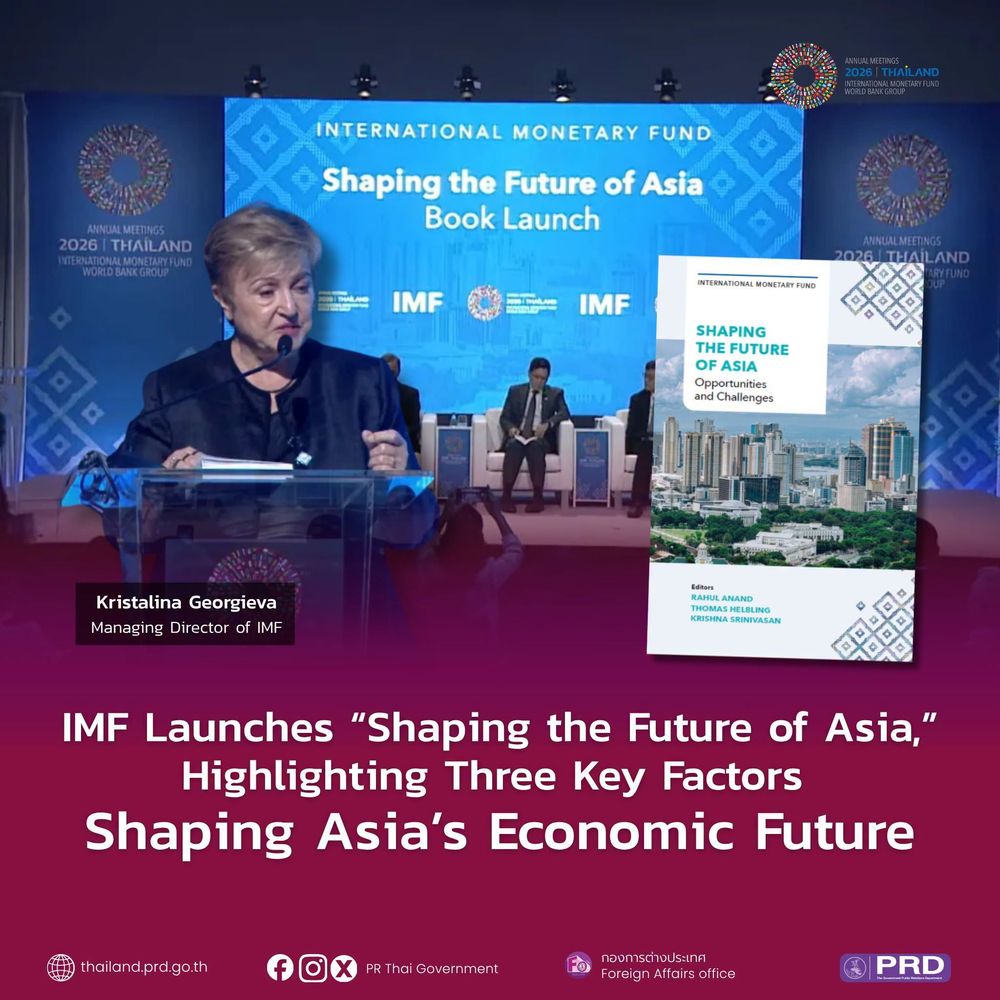
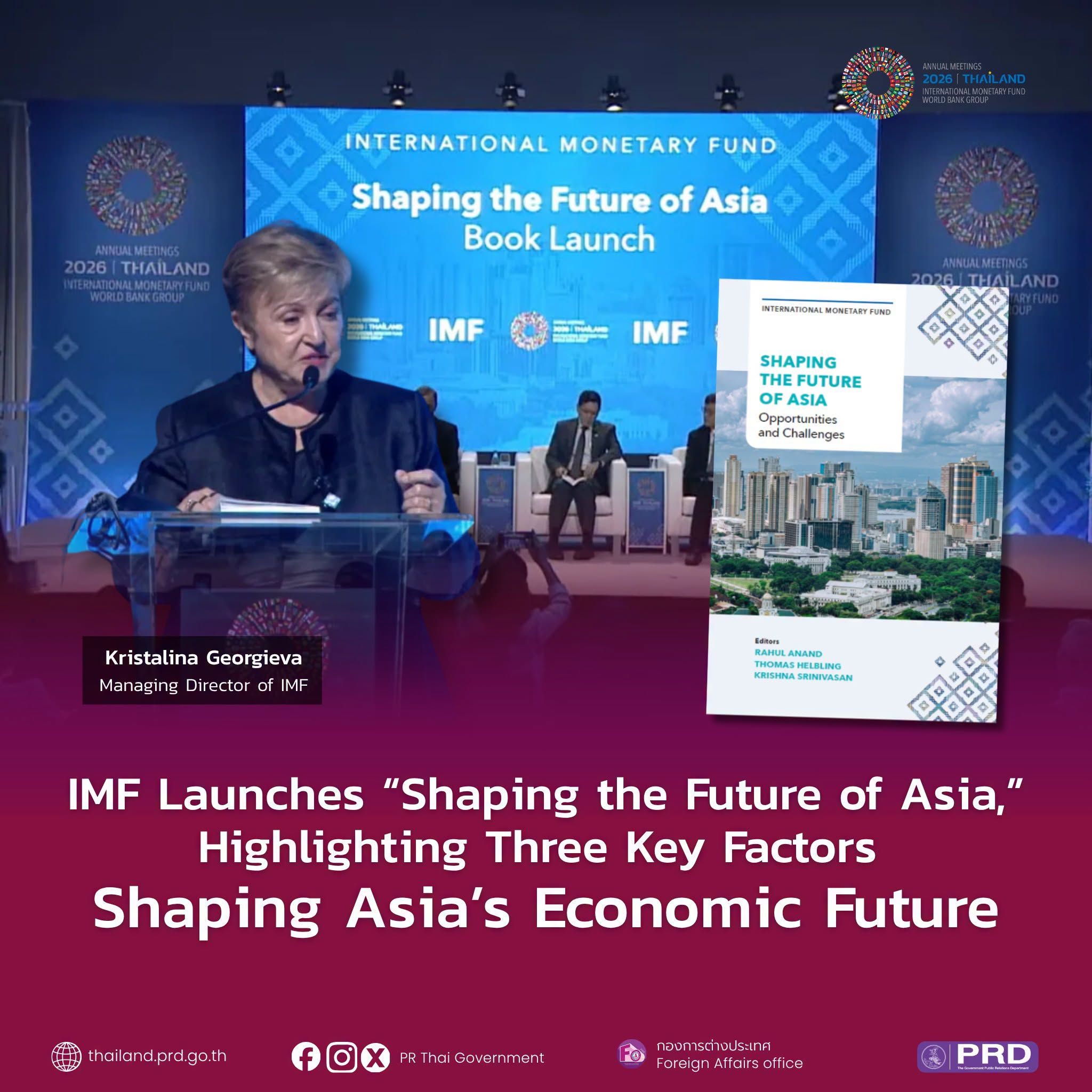
The International Monetary Fund (IMF) has presented a new book, Shaping the Future of Asia: Opportunities and Challenges, which examines the key economic trends set to define the region's development in the coming decades. The launch event was attended by IMF Managing Director Kristalina Georgieva, along with other representatives from the financial and expert communities.
Published in October 2026, the book comprises 15 chapters edited by R. Anand, T. Helbling, and K. Srinivasan. It draws on material from the Asia in 2050 conference held in Bangkok in March 2026.
According to IMF estimates, Asia is projected to account for approximately 68% of global economic growth in 2026. The region also plays a pivotal role in international trade, representing nearly 40% of global trade volume. However, future progress will require a reassessment of the economic model that has relied for decades on industrialization, exports, high levels of investment, and a relatively young population. While per capita income in Asia more than doubled between 1990 and 2023, traditional sources of growth are gradually losing momentum.
Five Trends That Will Reshape Asia’s Economy
1. Aging population and shrinking workforce.
Demographic shifts are emerging as a major long-term challenge for the region. The average number of children per woman in Asia has fallen from approximately six to 1.6. The share of the population aged 65 and older is projected to rise from 11% in 2025 to 20% by 2050. The workforce is already shrinking in China, Japan, and South Korea, whereas some developing nations—such as Bangladesh and Laos—can still leverage the benefits of a young population. Aging places a strain on pension and healthcare systems; consequently, the IMF emphasizes the importance of increasing female labor force participation, extending working lives, and investing in skills development.
2. Artificial intelligence as a driver of productivity.
Artificial intelligence has the potential to partially offset the economic impact of an aging population through automation, efficiency gains, and the emergence of new economic activities. Estimates cited in the report suggest that AI could boost annual economic growth by approximately 0.2–0.8 percentage points in developing Asian economies and by 0.5–1.0 percentage point in advanced economies.
However, the benefits of technology may not be distributed evenly. Expanding access requires developing digital infrastructure and education, as well as promoting AI adoption in agriculture, the public sector, and small businesses.
Digital financial solutions also play a crucial role. India’s Unified Payments Interface (UPI) and the shared QR-code payment initiatives across ASEAN countries demonstrate how digitalization can reduce transaction costs and expand access to financial services.
3. Regional trade and economic integration.
Geopolitical tensions and new trade restrictions are creating additional hurdles for international supply chains. Against this backdrop, the IMF urges Asian nations to strengthen regional cooperation, lower trade barriers, and expand mutual market access.
Significant potential for integration remains: intra-regional trade accounts for only about 20–25% of ASEAN’s exports. Deepening economic ties could help companies expand their markets and reduce reliance on specific external partners.
4. State industrial policy.
Asian governments are increasingly utilizing subsidies, tax incentives, and other tools to support specific industries. While such measures can foster the development of strategic manufacturing sectors, the study notes that their impact is often temporary and does not always lead to sustained productivity gains.
Therefore, industrial policy must be complemented by reforms, the promotion of competition, and an assessment of actual economic outcomes.
5. Energy transition.
Many Asian economies remain heavily reliant on coal while simultaneously facing climate-related risks. At the same time, the region plays a pivotal role in the development of solar energy, electric vehicles, and battery technologies.
Further transition to cleaner energy will require investment, infrastructure modernization, and the alignment of climate goals with economic development objectives.
Financial markets: another growth factor
Despite high investment levels—around 27% of GDP—capital allocation in the region is not always efficient. The authors attribute this partly to the dominance of bank financing and the underdevelopment of capital markets.
More efficient resource allocation could help promising companies raise funds to expand their businesses, adopt new technologies, and create jobs. Developing financial markets could also enhance economic resilience against external shocks.
...
What This Means for Asia’s Future
The study’s main conclusion is that the region’s future growth will increasingly depend on labor productivity, the quality of institutions, and the ability to adapt to technological and demographic changes.
Artificial intelligence can offset some of the losses resulting from an aging population, but this requires investment in skills, digital infrastructure, and technology accessibility. At the same time, strengthening regional trade, developing capital markets, and implementing more effective industrial policies can help Asian economies maintain their growth momentum amidst intensifying global competition.
Recent News









All Time High • Live
Have questions or want to collaborate? Reach us at: [email protected]