Bitcoin Q1 2026 Analysis: Accumulation Phase or Liquidity Trap?
Bitcoin posts its weakest Q1 in 8 years (-23%). Analysis of $4.5B ETF outflows, $77K liquidity traps, and the $54K structural floor for Q2 2026.
Bitcoin's price is currently determined not only by internal crypto market factors but also by the global economy, geopolitics, and Federal Reserve policy. As long as uncertainty persists around the global economy and the conflict in the Middle East, the cryptocurrency market will likely remain volatile and sensitive to external events.

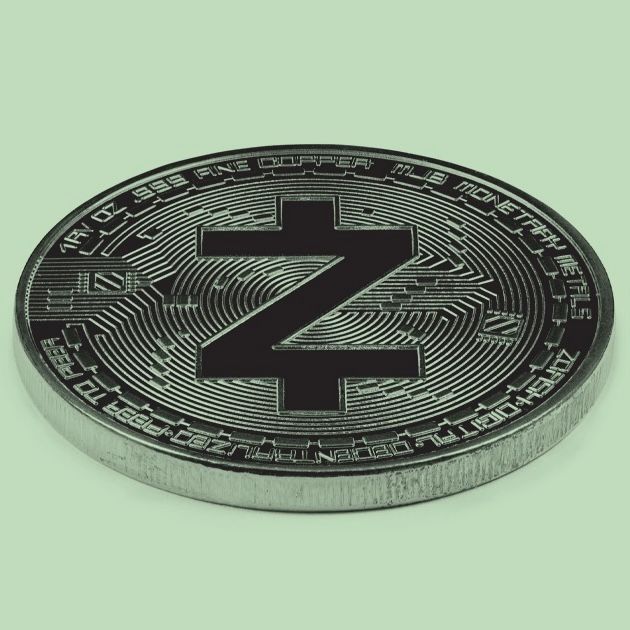
The mass resignation of the ECC team triggered short-term volatility in ZEC but did not affect network operations, user funds, or privacy, underscoring Zcash’s decentralized resilience. The key takeaway is that the protocol proved stronger than its organizations, while the next challenge will be restoring development coordination and market confidence.
GoTyme Bank launches in-app crypto trading for 6.5M users through a partnership with Alpaca, supporting BTC, ETH, SOL, and more. Combined with the Philippines’ growing crypto adoption, on-chain budget proposals, and plans for a strategic Bitcoin reserve, the country is emerging as Southeast Asia’s next major crypto hub.
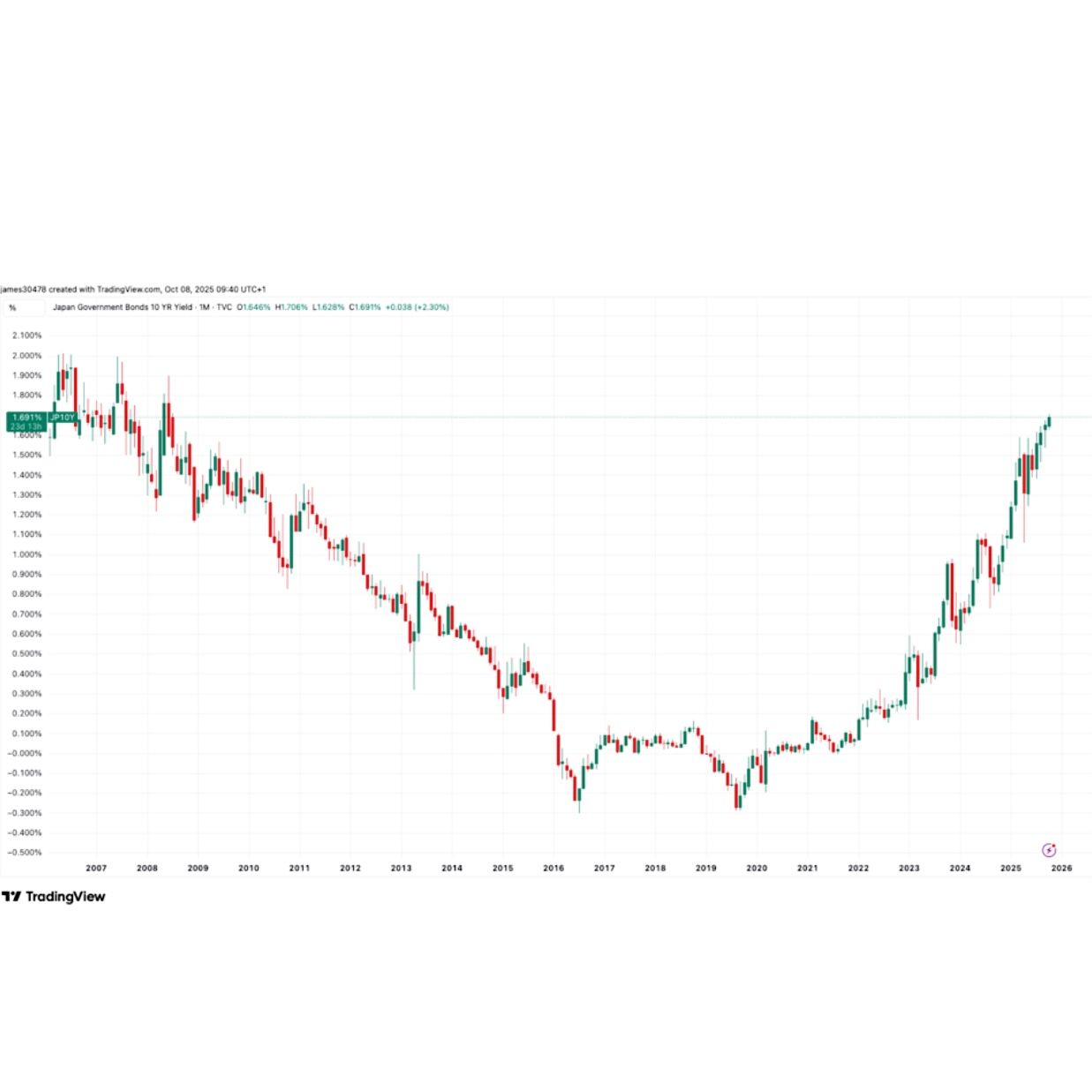
Japan’s 10-year bond yield surged to 1.965%, the highest since 2007, signaling a major shift in monetary policy. ATH.LIVE warns this “liquidity reset” may pressure global risk assets in the short term but strengthen the long-term case for Bitcoin and scarce crypto assets.
SoSoValue reports $87.77M BTC ETF and $65.59M ETH ETF outflows, while Fidelity’s FBTC and FETH still see strong inflows. ATH.LIVE says this reflects market recalibration, not structural weakness, and highlights where disciplined investors may find opportunity.
Western Union is launching a stablecard and its Solana-based digital currency WUUSD to protect users in high-inflation economies — a major shift toward real-world crypto utility and global financial transformation.
South Korea is considering imposing no-fault liability on crypto exchanges, with penalties up to 3% of annual revenue for hacking losses. ATH.LIVE explains why this move could transform Asia’s crypto landscape, forcing higher standards while accelerating institutional adoption.
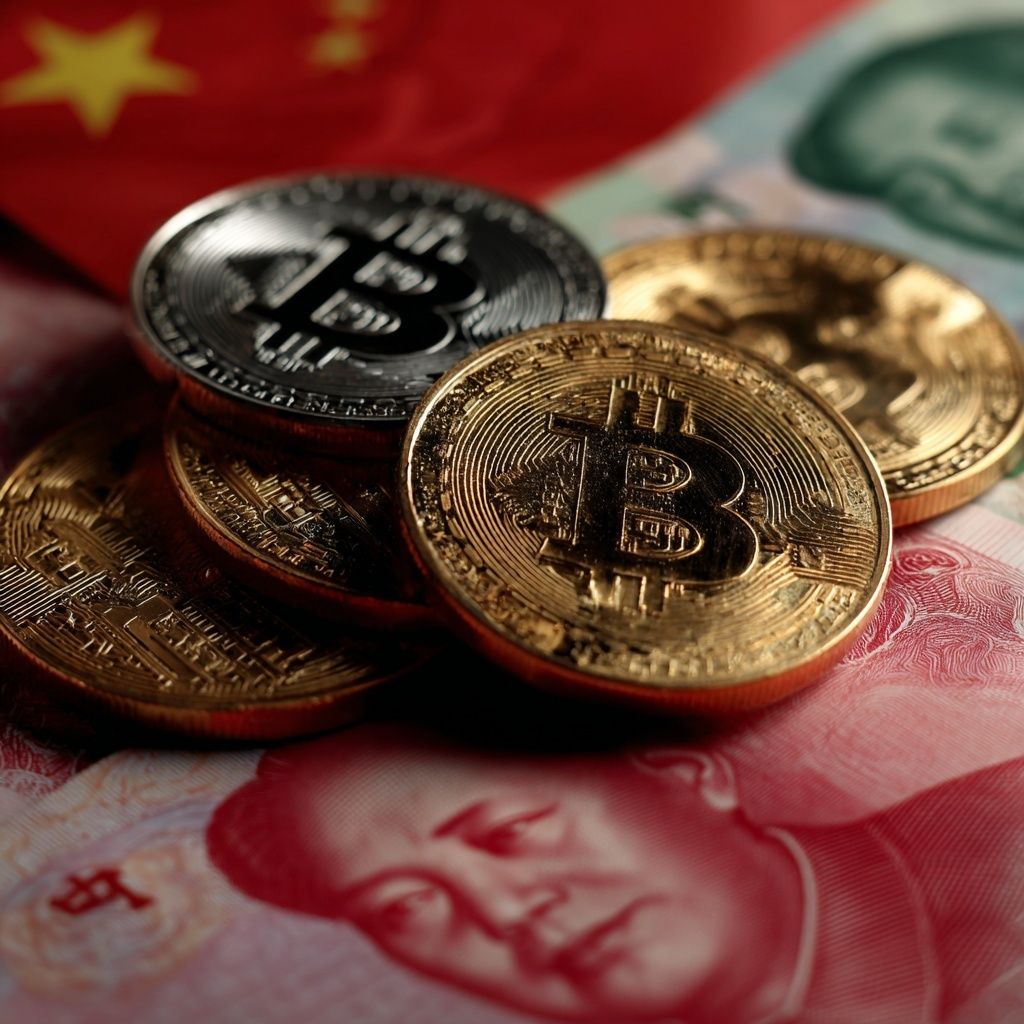
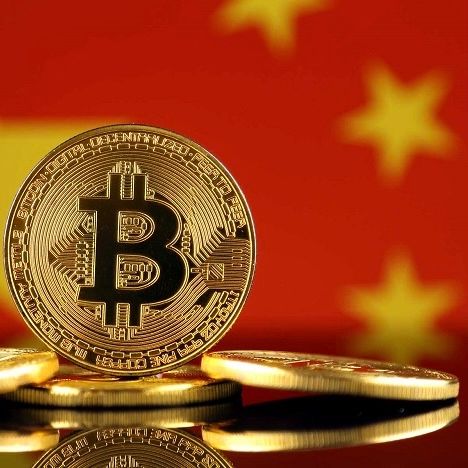
CSRC Chairman Wu Qing reiterates China’s strict caution toward crypto assets, prioritizing control and financial stability over innovation. ATH.LIVE explains how China’s refusal to embrace decentralized technology shifts opportunity toward the U.S., EU, Middle East, and Southeast Asia — and strengthens Bitcoin’s long-term narrative.
The Bank of Japan’s expected rate hike signals the end of ultra-cheap liquidity and puts long-term pressure on global bond markets, risk assets, and Bitcoin. ATH.LIVE explains why this marks a structural shift away from “free money” dynamics — and how Bitcoin may ultimately benefit.
Global central banks are rapidly increasing gold reserves while the United States formalizes a Strategic Bitcoin Reserve, marking a major shift toward dual-reserve monetary systems. ATH.LIVE views this as a historic move toward decentralization, scarcity-based assets, and digital sovereignty.
Build On Bitcoin (BOB) jumped 107% to a new ATH, but on-chain data shows 93% of supply concentrated in 10 wallets and all liquidity unlocked — conditions associated with elevated crypto market risk. ATH.LIVE provides a full structural analysis of the token’s liquidity, wallet distribution and capital flows.
CFR’s Rebecca Patterson warns that January 15 may trigger major Bitcoin volatility as MSCI reviews MicroStrategy’s index status. ATH.LIVE explains the systemic risk and why Bitcoin’s growing TradFi integration matters.
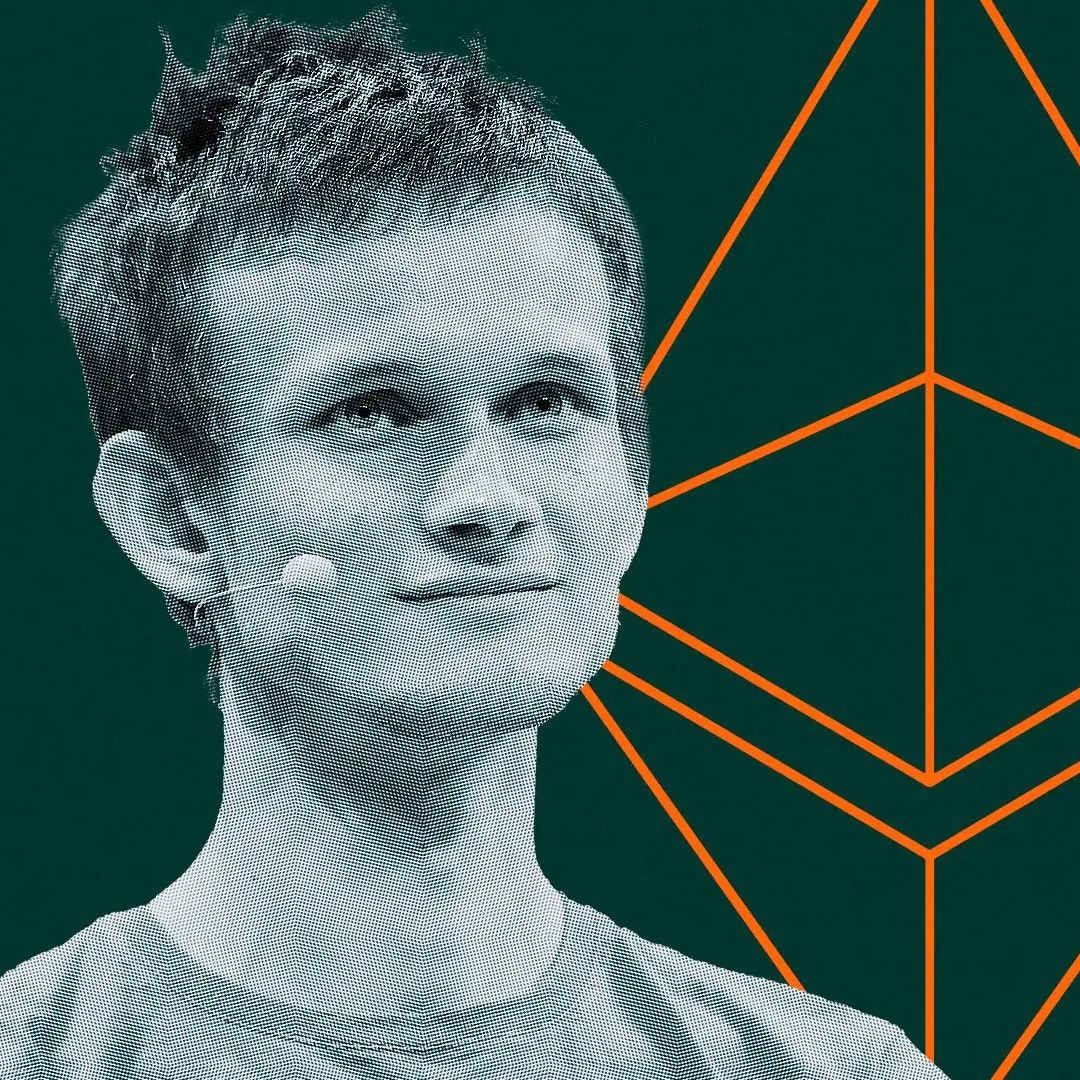
Ethereum’s Fusaka upgrade adds PeerDAS, the network’s first true sharding system. Vitalik Buterin outlines scalability advances, protocol limits, and the roadmap toward ZK-EVMs and distributed block building.
Aave V4 and Babylon Labs introduce native Bitcoin-backed lending using cryptographic Bitcoin Vaults — no bridges, no wrapped tokens. A breakthrough that could make BTC the base collateral of global decentralized finance.
NEAR AI launches NEAR AI Cloud and Private Chat, delivering hardware-enforced, verifiably private AI using Intel TDX and NVIDIA Confidential Computing. Each response includes cryptographic proof, positioning NEAR as core infrastructure for confidential, onchain AI.
Bitcoin dipped below its Metcalfe network value for the first time in two years, triggering a leverage flush and strong long-term holder accumulation—conditions that historically precede major 12-month gains.
China’s yuan posts its strongest gain since 2020 while the PBOC tightens its crackdown on crypto and stablecoins. Despite reduced China-linked demand, global liquidity and Fed-driven macro trends remain the primary drivers of Bitcoin.
Robert Kiyosaki says the global economy is entering a historic collapse fueled by Japan’s carry trade and urges investors to move into Bitcoin, Ethereum, gold, silver, and energy assets as protection against fiat devaluation.
European authorities have seized Cryptomixer, confiscating €25M in Bitcoin and 12TB of data. The move highlights tightening regulatory pressure on crypto anonymity platforms and raises global compliance expectations.
Vitalik Buterin urges the Zcash community to reject token-weighted governance, citing risks like vote buying, whale control, and erosion of privacy. The debate highlights broader challenges in decentralized governance models.
Elon Musk argues that energy, not fiat, is the true store of value and positions Bitcoin as an energy-backed digital asset. His comments boosted institutional interest and may shape market sentiment and regulatory views.
Chinese scammer Qian Zhimin amassed nearly 195,000 BTC in a massive fraud scheme. UK police seized 61,000 BTC, but over 120,000 BTC remain missing. Victims received only partial compensation, exposing major gaps in global crypto enforcement.
The UK’s HMRC is proposing a new tax framework for DeFi lending, staking, and liquidity pools, deferring taxes until profits are realized. The move could simplify compliance for Ethereum users and set a global standard for DeFi tax policy.
Robert Kiyosaki warns that AI job losses and collapsing real estate markets will trigger a global crash. He urges investors to buy gold, silver, Bitcoin, and Ethereum, predicting silver could reach $200 by 2026.
Offchain Labs argues that Ethereum should adopt WASM, not RISC-V, as its execution ISA. The team highlights modularity, safety, and cross-hardware efficiency while warning that RISC-V evolves too quickly for L1 enshrinement.
On-chain data shows a surge in USDC stablecoins flowing onto exchanges just as Bitcoin dips, while short-term holders face some of their heaviest unrealized losses since 2022. Are crypto whales quietly preparing to buy the dip?
Have questions or want to collaborate? Reach us at: [email protected]